Looking for more energy, mental clarity, better sleep, fat loss, or just better overall health?
What are Ketone Supplements?
 Ketone supplements provide ketones from outside the body, often called exogenous ketones. These include beta-hydroxybutyrate (BHB) salts, ketone esters, and products combining salts and esters. They can raise blood ketone levels, with the timing and extent depending on the product and amount used.
Coconut oil and MCT oil work differently: they supply fats that the body can convert into ketones. Virgin coconut oil also contains polyphenols.
I have personally enjoyed the benefits of coconut and MCT oil for more than 18 years and exogenous ketones for more than 10 years. I’m excited about advances in ketone supplementation and share information about the products below to help readers understand their options.
Important safety information: Talk with your physician before beginning a ketogenic diet or taking ketone supplements, especially for older adults, children, or anyone with a medical condition or taking medication.
I do not recommend ketogenic diets or ketone supplements during pregnancy or breastfeeding, or for infants and young children, unless specifically advised and supervised by their treating physician.
Researchers are exploring how ketones may support brain energy and influence inflammation. Benefits, tolerability, and suitability can vary with the person and the approach used. Explore the research on ketones and brain health.
Explore books by Dr. Mary Newport →
As an Amazon Associate, I earn from qualifying purchases. I also receive nominal commissions from some other companies. These commissions help support this website at no additional cost to you.
True Ketone Esters
Ketone esters can increase blood beta-hydroxybutyrate (BHB) levels without fasting or following a ketogenic diet. Several types are available, differing in chemical formulation, concentration, taste, serving size, and cost. Some contain BHB bonded to R-1,3-butanediol, while others contain different ketone-producing ester compounds.
Not All Ketone Supplements Are Ketone Esters
Some products marketed as ketone supplements contain free R-1,3-butanediol (R-1,3-BD), either alone or mixed with free BHB, rather than chemically bonded as an ester. R-1,3-BD is an alcohol that the liver converts to BHB, but it may also produce neurological effects that warrant further investigation.
A caution about free R-1,3-butanediol: In a 2023 study involving 26 healthy adults, 10 participants (38.5%) reported dizziness after consuming 34.5 grams of R-1,3-BD over one hour. The study was uncontrolled, so it did not establish whether the dizziness resulted directly from R-1,3-BD or other factors, including fasting.
For people with mild cognitive impairment (MCI) or dementia, I advise against using products in which free R-1,3-BD is the sole or predominant ketone-producing ingredient for the purpose of improving cognition, particularly in individuals at increased risk of dizziness, confusion, or falls.
Products combining free BHB with R-1,3-BD warrant caution as well. These mixtures may contain smaller amounts of R-1,3-BD per serving than products based primarily on the free compound, but the amounts vary by formulation. Further studies are needed to better understand the safety, tolerability, and potential cognitive benefits of these formulations in people with MCI or dementia.
Products containing free R-1,3-BD are chemically different from true ketone esters, although some esters release R-1,3-BD during digestion. Their effects and safety should be evaluated separately. An increase in blood ketone levels does not, by itself, demonstrate improved memory or cognitive function.
Understanding Product Costs
The costs per gram provided below are calculated using the stated grams of ketone ester or other active ketone-producing compound in each product, not necessarily grams of BHB delivered to or produced in the body. Prices are approximate and may vary with package size, subscriptions, and discounts. Check manufacturers’ websites for current pricing.
For more detailed information about ketone ester formulations, research, serving sizes, and product comparisons, visit my Ketone Esters page.
KetoneAid: KE4, KE2, and Ketone Shots
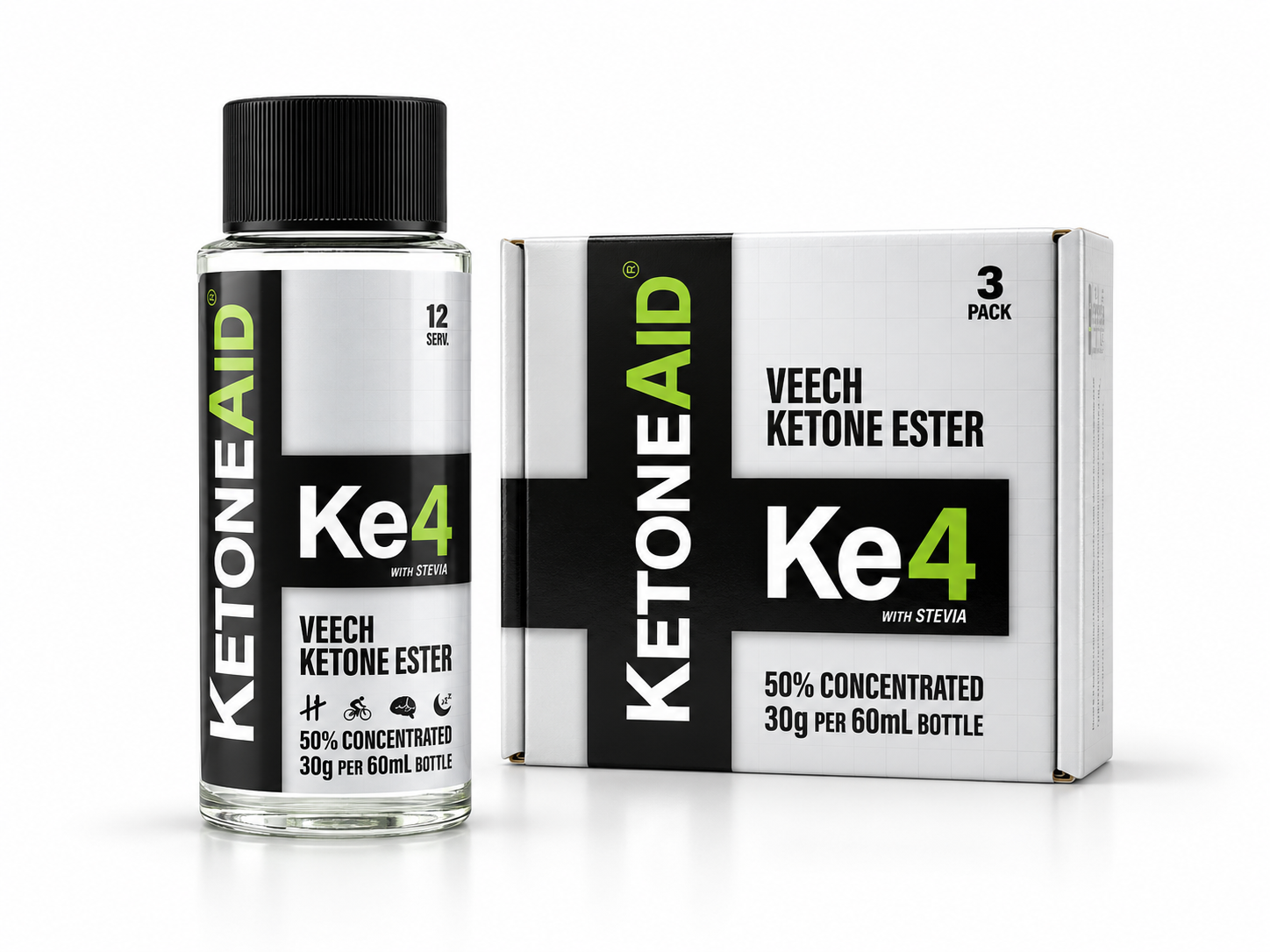
The formulation: KetoneAid offers the Veech ketone monoester, which combines D-BHB and R-1,3-butanediol in one molecule. This is the same type of ketone ester my husband Steve used in his Alzheimer’s disease pilot study beginning in 2010.
Available products: KE4 contains 30 grams of ketone ester per 60 mL bottle; KE2 contains 25 grams per bottle; and ready-to-drink Ketone Shots contain 5 grams per bottle.
The taste: KE4 has a strong, distinctive flavor, although the current cherry formulation is considerably more palatable than earlier versions. KE2 (apple) and Ketone Shots (peach) are milder.
The cost: KE4 has been listed at approximately $1.00 per gram of ketone monoester for a three-bottle purchase, with lower costs available through larger or recurring orders. Costs for KE2 and Ketone Shots differ.
Delta G Ketone Health: The Oxford Ketone Ester
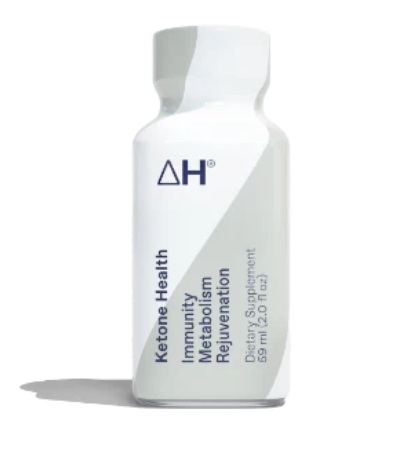
The formulation: Delta G contains the Veech ketone monoester developed through research by Dr. Kieran Clarke at Oxford University and Dr. Richard Veech at the NIH.
Available products: Ketone Health contains 10 grams of ketone ester per bottle. More concentrated options include Ketone Performance (27 grams) and Tactical Ketones (32 grams).
The taste: Ketone Health has a strong, distinctive taste despite its lemon flavoring. I have tried all three Delta G formulations and personally found them less palatable than KetoneAid KE4.
The cost: Ketone Health is listed at $57 for three bottles, or approximately $1.90 per gram of ketone monoester. Subscription discounts may be available.
Qitone Pro-Ketone Powder: Flavorless C8 Ketone Diester
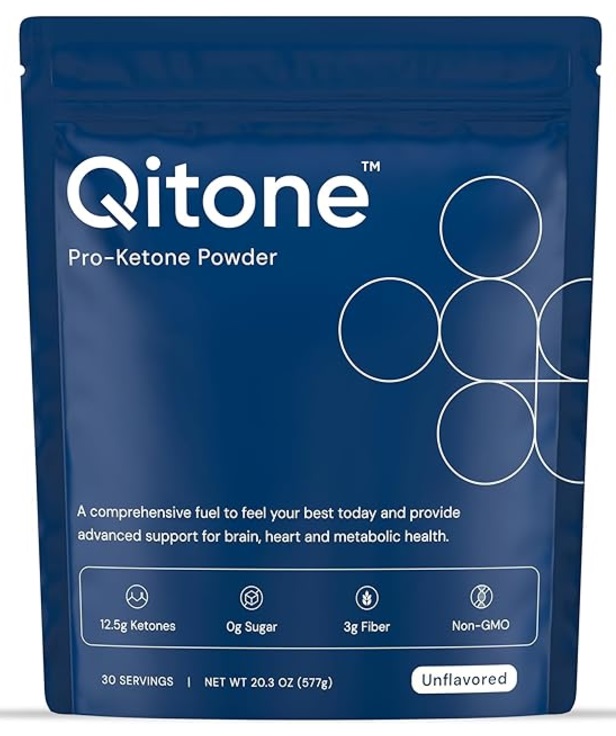
The formulation: Qitone contains bis-octanoyl (R)-1,3-butanediol, a C8 ketone diester that releases medium-chain fatty acids and R-1,3-butanediol during digestion. Unlike the Veech monoester, it does not contain BHB in the intact molecule.
The amount: Each 19-gram scoop contains 12.5 grams of active ketone diester.
The taste: Virtually flavorless, with a slightly creamy texture. It mixes easily into coffee, tea, water, and smoothies.
The cost: A 30-serving bag has been listed at $99.99, or approximately $0.27 per gram of active C8 ketone diester. This is not the cost per gram of BHB produced.
The research: A 2024 study evaluated 25 grams daily of the C8 diester for 12 weeks in healthy adults aged 65 to 90 and found it generally well tolerated. The study did not evaluate the complete commercial powder.
Allergen: Contains sodium caseinate (milk-derived).
Qitone Coffee Creamer: Sweet Cream C8 Ketone Diester
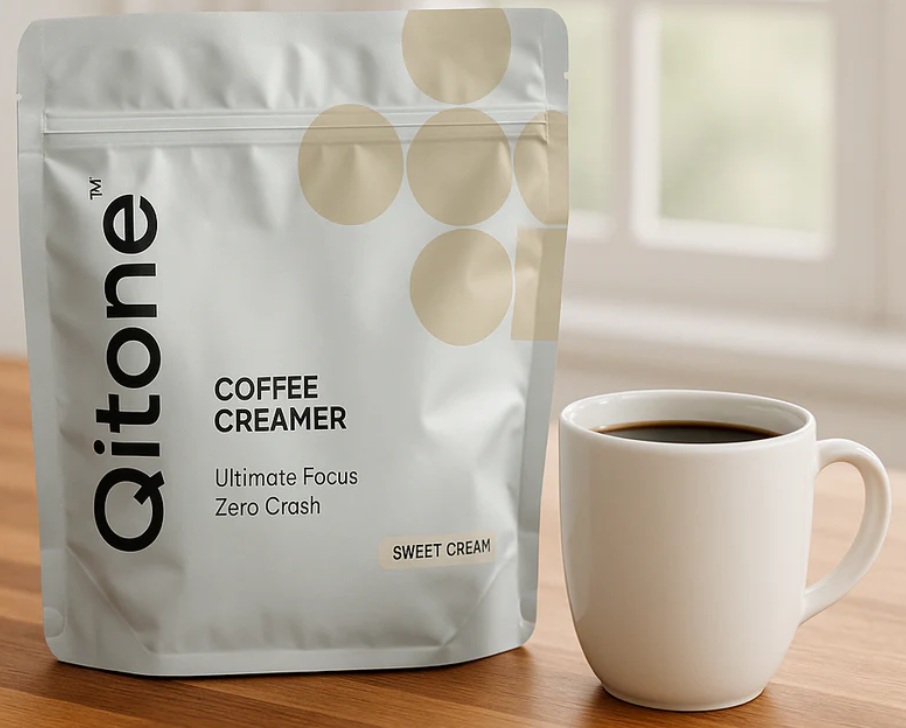
The formulation: Contains the same C8 ketone diester as Qitone Pro-Ketone Powder in a sweet cream-flavored coffee creamer.
The amount: Approximately 3 grams of active diester per tablespoon, compared with 12.5 grams in a full scoop of the original powder.
The taste: Sweet and creamy, with allulose and monk fruit as sweeteners. Designed to mix into coffee or tea without the bitterness of concentrated BHB monoesters.
The cost: A 30-serving package is listed at $29.99, approximately $0.33 per gram of active diester, or $1.00 per tablespoon.
Allergen: Contains sodium caseinate (milk-derived). People with milk allergies should avoid this product.
Tecton Ketones: Proprietary R3HBG Ketone Formulation

The formulation: Tecton contains R3HBG, a proprietary R-BHB formulation that does not contain R-1,3-butanediol. The manufacturer uses a liposomal delivery system intended to support absorption.
The amount: Each bottle contains a stated 10 grams of R3HBG. This should not automatically be equated with 10 grams of free BHB.
The taste: Available in flavored, ready-to-drink formulations. Some versions contain additional ingredients, including caffeine, electrolytes, alpha-GPC, lion’s mane, or 5-HTP.
The cost: An eight-bottle package has been listed at $39.99, approximately $0.50 per gram of the stated R3HBG ingredient.
The research: Published human studies are needed to independently characterize the blood ketone response and potential clinical benefits of the current formulation.
Ketone Salts
Ketone salts are supplements that combine beta-hydroxybutyrate (BHB), the ketone naturally produced by the body during fasting or carbohydrate restriction, with minerals such as sodium, potassium, calcium, and magnesium. They provide BHB directly and can increase blood ketone levels without following a ketogenic diet.
Ketone salts generally produce a more moderate increase in blood BHB than concentrated ketone esters and are often more affordable and palatable. They are available in flavored powders, ready-to-drink beverages, and products containing additional ingredients such as MCT oil, protein, or vitamins.
Potential benefits: Ketone salts provide an alternative energy source for the brain and other organs. Research is investigating their potential effects on cognition, brain energy metabolism, inflammation, physical performance, and metabolic health. Combining ketone salts with coconut oil or MCT oil may help sustain elevated blood ketone levels for a longer period.
Important considerations: The amounts of sodium, potassium, calcium, and magnesium vary considerably among products. Older adults and people with medical conditions, particularly hypertension, kidney disease, heart failure, or diabetes, should consult their healthcare professional before using ketone salts. Special caution is warranted for people taking medications that affect blood glucose, fluid balance, or electrolytes.
For more information about ketone salts, clinical research, safety, and their potential benefits for brain health, visit my Ketone Salts for Brain Health and Fitness page.
Additional Guides by Dr. Mary Newport
For practical information about selecting and using ketone salts, including considerations for older adults and people with medical conditions, see my downloadable guides:
Pruvit Keto//OS NAT and NAT20 Ketone Salts
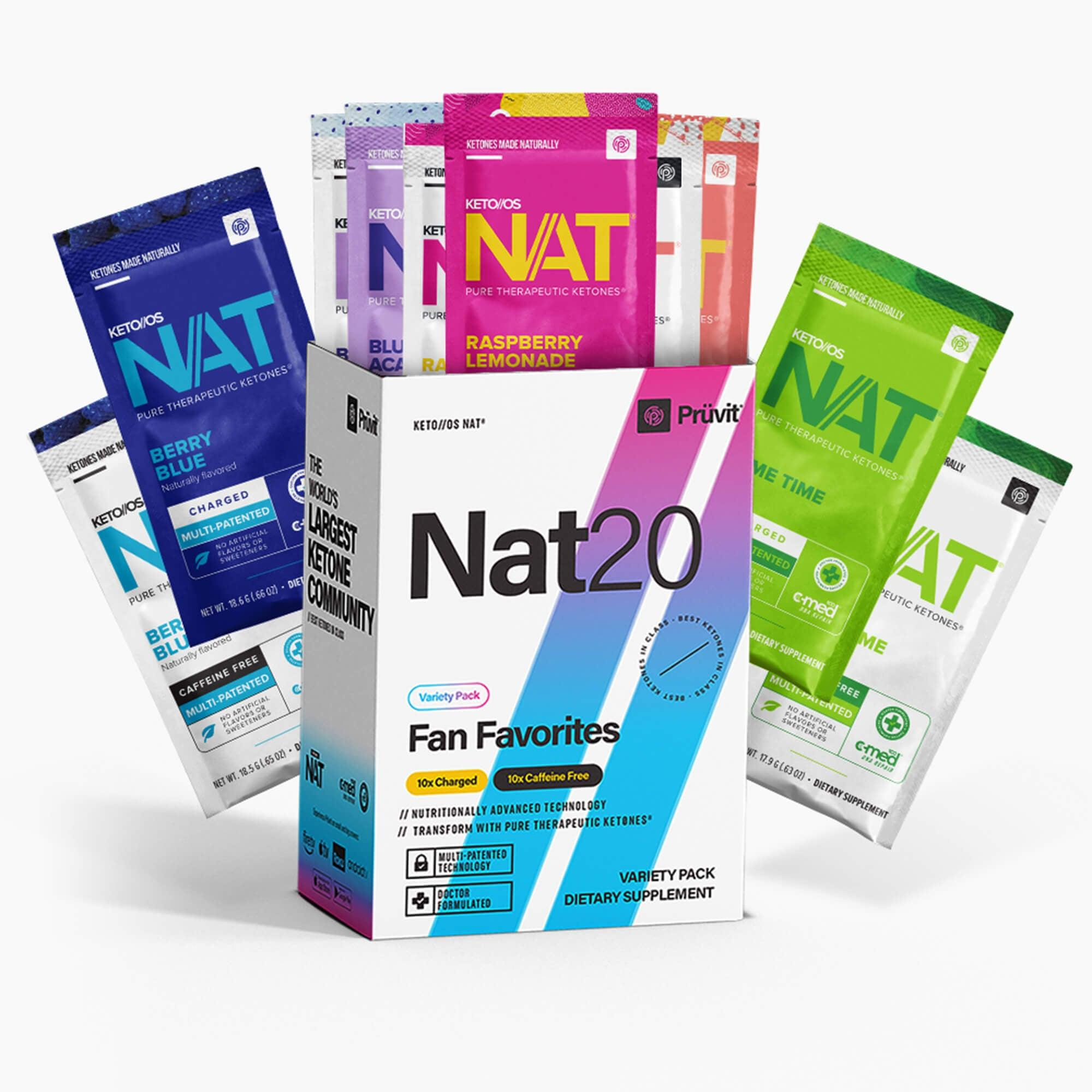
The formulation: Pruvit Keto//OS NAT contains D-beta-hydroxybutyrate (D-BHB) in a proprietary ketone mineral salt formulation. Pruvit was among the first companies to make ketone salts widely available to consumers, beginning in 2016.
The main advantage: Pruvit offers numerous flavors, including fruit and creamy varieties, along with caffeinated and caffeine-free options. The NAT20 Fan Favorites variety pack provides an opportunity to try several flavors.
The taste: Generally comparable to flavored sports drinks. Some varieties are particularly enjoyable mixed with water, milk, or cream.
The cost: Pruvit’s ketone salts are relatively expensive compared with some alternatives. Prices vary by product, package size, and subscription discounts. Because the precise amount of BHB is not always disclosed separately from the proprietary blend, a reliable cost per gram of BHB cannot be calculated for every product.
Other Pruvit products include Keto//Kreme, a flavored coconut and MCT oil powder, and ready-to-drink ketone beverages.
KetoStart from Audacious Nutrition

The formulation: KetoStart contains D,L-beta-hydroxybutyrate (BHB) combined with a balanced blend of sodium, potassium, calcium, and magnesium. The manufacturer’s current product descriptions list 6 grams of BHB per serving.
The main advantages: KetoStart is one of my preferred ketone salt products because of its balanced mineral formulation, convenient single-serving packets, pleasant flavors, and competitive pricing.
Available varieties: KetoStart is available in a caffeine-free Tropical flavor and KetoStart+ in Raspberry Lemonade flavor with added caffeine.
The taste: The newer formulations have a lighter, less sweet flavor than earlier versions.
The cost: A box of 20 servings is listed at $55, equivalent to approximately $2.75 per serving or $0.46 per gram of stated BHB. Subscription discounts may be available.
Other products: Audacious Nutrition also offers KetoSpike instant coffee, tea, cocoa, and creamer formulations containing smaller amounts of BHB.
Other Exogenous Ketone Formulations
Some exogenous ketone supplements combine free D-beta-hydroxybutyric acid (D-BHB) with R-1,3-butanediol (R-1,3-BD), a compound that the liver converts into additional BHB. Unlike true ketone esters, these ingredients are supplied as a mixture rather than chemically bonded together.
Kenetik is an example of this approach. The free BHB provides a directly available ketone body, while R-1,3-BD serves as a precursor to additional BHB production. This combination is intended to provide an initial increase in blood ketones with a potentially longer-lasting effect.
Kenetik offers ready-to-drink beverages, a liquid concentrate, and a professional-strength formulation. These products differ in concentration, flavor, serving size, and cost.
Important considerations: As discussed above, products containing free R-1,3-BD warrant caution, particularly in older adults and people with cognitive impairment. Further studies are needed to better understand the safety, tolerability, and potential cognitive benefits of these formulations in people with MCI or dementia. Results from studies of ketone esters should not automatically be applied to these mixtures.
Understanding costs: The costs per gram below refer to the manufacturer’s stated amount of the combined ketone formulation, not necessarily the amount of free BHB or the amount of BHB ultimately produced in the body.
Kenetik Ready-to-Drink Ketone Beverages
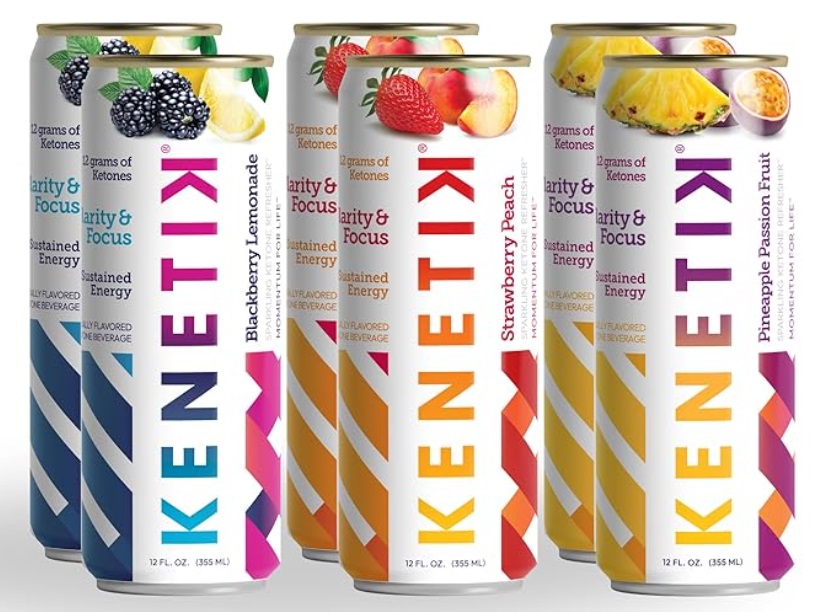
The formulation: Kenetik combines free D-BHB and R-1,3-butanediol rather than chemically bonding them into a ketone ester. Each 12-ounce can contains 12 grams of the manufacturer’s advertised ketone formulation.
The main advantages: Convenient, carbonated, ready-to-drink beverages requiring no mixing or preparation. The products are caffeine-free and are not conventional BHB mineral salt supplements.
The taste: Refreshing fruit flavors include Strawberry Peach, Blackberry Lemonade, Pineapple Passionfruit, and Watermelon Lime. Sweetened with allulose and a stevia-derived sweetener.
The cost: A six-pack has been listed at $29.94, approximately $4.99 per can or $0.42 per gram of the advertised ketone formulation, not per gram of free BHB. Subscription discounts may be available.
Kenetik Concentrate: BHB and R-1,3-Butanediol
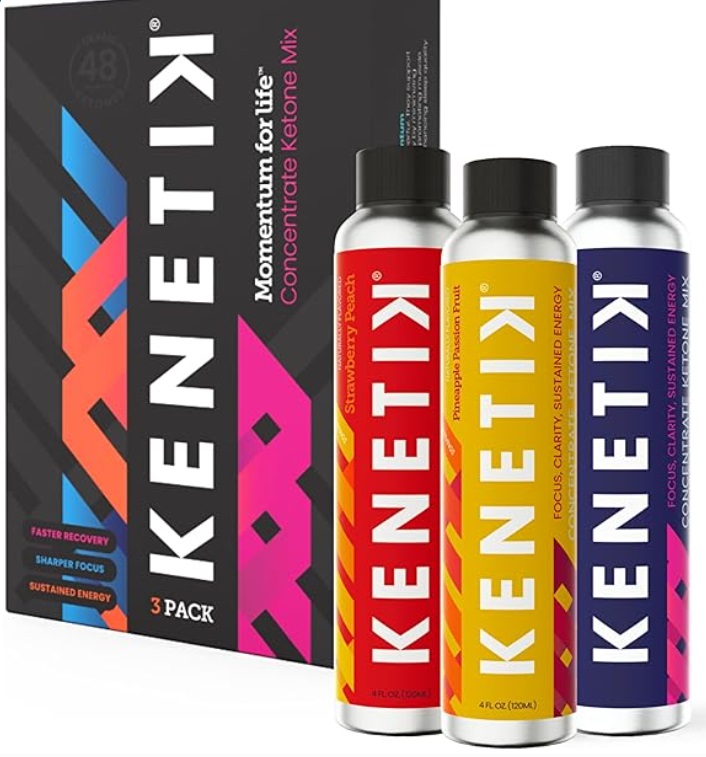
The formulation: Kenetik Concentrate contains the same free D-BHB and R-1,3-butanediol combination as the ready-to-drink cans. Each serving contains 12 grams of the manufacturer’s ketone formulation, with four servings per bottle.
The main advantages: The concentrated liquid can be diluted with water or another beverage, allowing users to adjust the flavor and strength of the drink. It is caffeine-free.
The taste: Available in Strawberry Peach, Blackberry Lemonade, and Pineapple Passionfruit. Additional water can reduce the intensity of the tart, fruity flavor.
The cost: A three-bottle package provides 12 servings and has been listed at $59.04, approximately $4.92 per serving or $0.41 per gram of the advertised ketone formulation, not per gram of free BHB. Subscription discounts may be available.
Storage: Refrigerate after opening. The manufacturer recommends using the concentrate within 7 to 10 days for best quality.
KenetikPro: Professional-Strength Ketone Concentrate
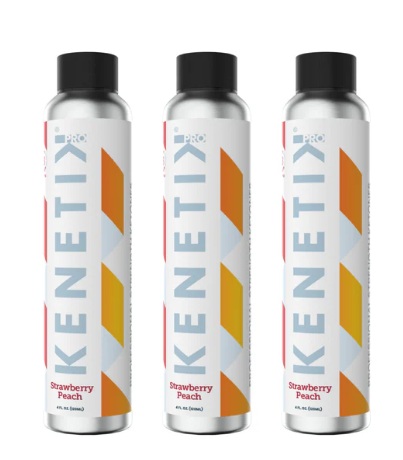
The formulation: KenetikPro is a more concentrated ketone formulation combining free D-BHB and R-1,3-butanediol. Each bottle provides 80 grams of the manufacturer’s advertised ketone formulation, with a suggested serving of 20 grams.
Marketed for use under the guidance of a qualified healthcare practitioner.
The main advantages: KenetikPro provides a larger amount of the ketone formulation per serving than standard Kenetik products. The noncarbonated liquid can be diluted with water or another beverage. It contains no caffeine and is formulated without allulose.
The taste: Available in Strawberry Peach, Blackberry Lemonade, and Tropical Fruit. The concentrate has a tart, fruity flavor.
The cost: A three-bottle package has been listed at $149.00, providing 12 servings of 20 grams each. This is approximately $12.42 per serving or $0.62 per gram of the advertised ketone formulation, not per gram of free BHB.
Professional use and research: KenetikPro is marketed as a clinical-grade nutritional supplement. This designation does not establish that it meets the FDA definition of a medical food. Further clinical studies are needed to evaluate the safety, tolerability, and potential cognitive benefits of this particular formulation, especially in people with MCI or dementia.
Coconut Oil and MCT Oil Products
Virgin coconut oil and medium-chain triglyceride (MCT) oils are convenient ways to incorporate ketogenic fats into the diet. They differ in their fatty acid composition, taste, consistency, and ability to increase blood ketone levels.
Virgin coconut oil naturally contains several medium-chain fatty acids, especially lauric acid (C12), along with smaller amounts of caprylic acid (C8) and capric acid (C10). It has a mild coconut flavor and is generally solid at cooler room temperatures.
MCT oils are concentrated sources of selected medium-chain fatty acids, usually C8 and C10, although some formulations also contain substantial amounts of C12. They are generally liquid, with a neutral flavor, making them convenient to add to beverages and foods.
Below are examples of virgin coconut oils, liquid MCT oils, and powdered products. I have also included information about MCT//143, a product I developed for Pruvit, and instructions for preparing a similar MCT/coconut oil mixture at home.
A practical note: MCT oils can cause abdominal discomfort or diarrhea, especially when first introduced or consumed in large amounts. Begin with small quantities and increase gradually as tolerated.
Virgin Coconut Oil
When selecting coconut oil, I recommend unrefined, virgin coconut oil, preferably organic and cold-pressed or expeller-pressed. Virgin coconut oil retains its natural coconut flavor and contains approximately 45–53% lauric acid (C12), along with smaller amounts of C8 and C10.

Nature’s Way Organic Virgin Coconut Oil
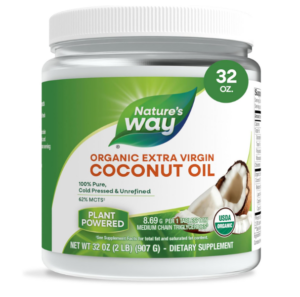
The product: Organic, cold-pressed, unrefined virgin coconut oil in a convenient 32-ounce container.
The main advantage: A practical size for everyday use in cooking, smoothies, yogurt, and other foods.
Liquid MCT Oils
MCT oils are generally clear, nearly flavorless, and easy to incorporate into foods and beverages. Many contain predominantly C8 (caprylic acid) and C10 (capric acid), while others also contain substantial amounts of C12 (lauric acid). The fatty acid composition can influence ketone production and other metabolic effects.
Sports Research Organic MCT Oil with C8, C10, and C12
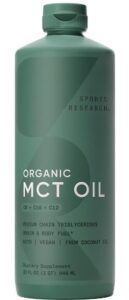
The formulation: A coconut-derived MCT oil containing approximately 42% C8, 26% C10, and 32% C12 (lauric acid). Most conventional C8/C10 MCT oils contain very little C12.
The main advantage: Provides a substantial amount of lauric acid in addition to the more rapidly ketogenic C8 and C10 fatty acids.
The research: A small Australian pilot study using an MCT mixture with a similar fatty acid composition reported improvements in selected cognitive tests in healthy older adults. Larger controlled studies are needed.
Other options: Sports Research also offers
C8/C10 MCT oil and
MCT powder.
Carrington Farms Organic Liquid Coconut Cooking Oil

The product: A liquid coconut-derived cooking oil containing medium-chain fatty acids, including some lauric acid (C12). It differs from conventional C8/C10-only MCT oil.
The main advantage: Neutral in taste and suitable for cooking and baking. Available in 16-ounce and 32-ounce bottles.
Nutiva Certified Organic MCT Oil

The formulation: A conventional MCT oil containing approximately 60% C8 and 40% C10. These fatty acids are efficiently metabolized by the liver and can increase ketone production.
The main advantage: Clear, odorless, and easy to add to coffee, tea, smoothies, salad dressings, and other foods.
Powdered MCT and Coconut Oil Products
Powdered MCT oil and coconut oil products are convenient alternatives to liquid oils, especially for mixing into coffee, tea, smoothies, and yogurt. Many have a creamy texture and are available in flavored or unflavored varieties.
Check the ingredient labels, since some powders contain added carriers, sweeteners, milk-derived ingredients, or other components that differ from the original oils.
Nutricost Premium MCT Powder
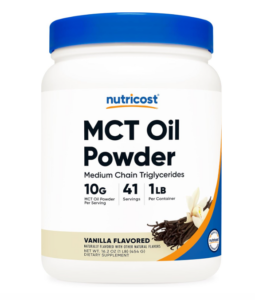
The product: A convenient powdered MCT oil supplement that can be stirred or blended into coffee, tea, smoothies, and other beverages.
Flavors: Vanilla, unflavored, and caramel varieties have been offered.
Sizes: Available in 1-pound and 2-pound containers.
Nutricost Coconut Oil Powder, Unflavored
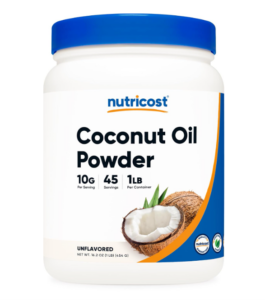
The product: An unflavored powdered coconut oil product that can be blended into coffee, tea, smoothies, yogurt, and other foods.
The main advantage: A convenient option for people who prefer a powder rather than liquid or solid coconut oil.
Sizes: Available in 1-pound and 2-pound containers.
KETO//KREME by Pruvit

The formulation: A flavored powdered creamer containing coconut-derived fats and MCTs, along with additional ingredients that vary by formulation.
The main advantage: Convenient single-serving packets that can be stirred into coffee or tea, or mixed into other foods.
Available products: Pruvit currently offers KETO//KREME formulations including Sweet Kreme. Check the current product label for ingredients and flavors.
The packaging: Typically sold in boxes containing 20 individual servings.
MCT//143: My Original Formulation and How to Make a Similar Blend
In 2017, I developed MCT//143 for Pruvit, based on an oil mixture I had originally prepared for my husband Steve during his experience with Alzheimer’s disease.
MCT//143 combined MCT oil derived from coconut oil, virgin coconut oil, and phosphatidylcholine (PC). Phosphatidylcholine is an important component of cell membranes and provides choline, which is needed to produce acetylcholine, a neurotransmitter involved in memory and other brain functions.
MCT//143 is no longer available from Pruvit. However, you can easily prepare a similar mixture of MCT oil and virgin coconut oil at home using the following recipe.
How to Make Your Own MCT and Coconut Oil Blend
Easy recipe: Makes approximately 7 fluid ounces
- Place approximately 3 fluid ounces of virgin coconut oil in a glass measuring cup. If solid, gently warm it in a hot-water bath until melted, then measure the liquid amount.
- Add 4 fluid ounces of MCT oil, bringing the total volume to approximately 7 fluid ounces.
- Mix thoroughly and transfer to a clean glass bottle or jar with a secure lid.
- Store at room temperature, away from excessive heat and direct sunlight. The coconut oil may partially solidify at cooler temperatures. Gently warm the container if necessary and mix before using.
For a larger batch: Combine 16 fluid ounces of MCT oil with 12 fluid ounces of melted virgin coconut oil in a 1-quart glass jar. This makes approximately 28 fluid ounces and leaves room for mixing.
This homemade blend reproduces the basic MCT/coconut oil proportions, but it is not identical to the original commercial MCT//143 formulation, which also contained phosphatidylcholine.
What About Phosphatidylcholine?
Phosphatidylcholine is a phospholipid found in foods and supplements. Dietary sources of choline or phospholipids include egg yolks, sunflower or soy lecithin, and krill oil.
One option is to add a small amount of food-grade sunflower or soy lecithin, approximately 1/4 teaspoon, to the 7-fluid-ounce oil mixture, provided the lecithin is suitable for dispersing in oil. Mix thoroughly and invert the bottle before use. The amount of phosphatidylcholine varies among lecithin products, so this does not reproduce the standardized phosphatidylcholine content of the original MCT//143.
Ideas for Using Coconut Oil and MCT Oil
- Add the MCT/coconut oil blend to smoothies, yogurt, cottage cheese, ricotta, or other dairy foods.
- Drizzle the oil mixture over salads or cooked vegetables.
- Add virgin coconut oil to oatmeal, soups, stews, casseroles, or chili.
- Use virgin coconut oil for low- to moderate-temperature cooking or baking, including recipes around 350°F (175°C).
- Blend powdered MCT or coconut oil into coffee or tea for a creamy beverage.
Tip: Liquid MCT oils are generally better suited to foods, beverages, and dressings than high-temperature frying.
Helpful Supplies for Mixing and Using MCT Oil
Amber Glass Bottles, 1 Quart (32 Ounces)
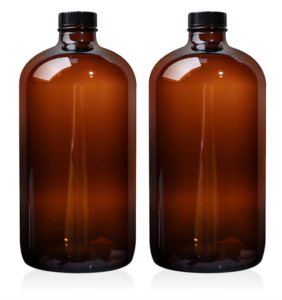
A practical option for combining and storing homemade MCT/coconut oil mixtures. The 32-ounce capacity accommodates the larger 28-ounce recipe, leaving some room for mixing.
Zulay Handheld Milk Frother

A convenient battery-operated frother for blending powdered MCT oil, coconut oil powder, or ketone salts into coffee, tea, and other beverages. Available in several colors.
Trouble Digesting MCT or Coconut Oil?
Some people experience abdominal discomfort, cramping, or diarrhea when taking MCT or coconut oil, particularly when beginning supplementation or taking larger amounts. Starting with small amounts and increasing gradually may help improve tolerance.
Pure Encapsulations Pancreatic Enzymes

A caregiver reported to me that her husband tolerated MCT oil better after beginning a pancreatic enzyme supplement. This is an individual observation and does not establish that pancreatic enzymes improve MCT oil tolerance generally.
People with persistent difficulty digesting fats should consult their healthcare professional to determine whether digestive enzymes or further evaluation may be appropriate.
Available sizes:
60 capsules |
180 capsules
Important note: Older adults and people with medical conditions should consult their healthcare professional before making substantial dietary changes or beginning ketone supplementation. Individual tolerance and medical circumstances vary.
For product questions and additional information, email Ketones08@gmail.com.
Affiliate Disclosure: As an Amazon Associate, I earn from qualifying purchases. I also receive small commissions from purchases made through affiliate links to several other companies. These commissions help support this educational website at no additional cost to you.
