Coconut Oil and MCT Oil for Brain Health and Alzheimer’s Disease
Coconut Oil and Alzheimer’s Disease: The Role of Ketones
By Mary T. Newport, MD — physician, author, and longtime advocate for research into coconut oil, MCT oil, ketones, and brain health.
Research on coconut oil and Alzheimer’s disease has attracted growing interest because coconut oil contains fatty acids that can be converted into ketones, an alternative fuel for the brain. Concentrated medium-chain triglyceride (MCT) oil can also raise blood ketone levels. This is particularly relevant because people with Alzheimer’s disease often have areas of reduced brain glucose metabolism, even in the early stages.
Unlike glucose, ketones can be taken up and used by many brain cells despite impaired glucose metabolism. By providing an additional source of energy, coconut oil and MCT oil may help support brain function in some people with cognitive impairment.
Clinical studies have investigated coconut oil and MCT oil in people with mild cognitive impairment and Alzheimer’s disease. Some have reported improvements in certain cognitive measures, although results vary, and larger, well-controlled studies are needed to determine the extent and duration of any benefit. Neither oil has been established as a cure or proven to prevent Alzheimer’s disease.
The following sections explain how coconut oil and MCT oil work, what scientific research has found, and practical considerations for using these oils.
How much? Coconut and MCT Oils for Brain Health (PDF)
Frequently Asked Questions: About Coconut and MCT Oils for Brain Health (PDF)
Skip to Coconut Oil Products →
MCTs for Brain Health
Coconut oil is a natural dietary source of medium-chain fatty acids. Some of these fatty acids can be converted into ketones by the liver, even when consumed as part of a mixed diet. The amount of ketones produced varies with the fatty acid composition, dose, and individual metabolism.
The shorter medium-chain fatty acids, particularly C8 (caprylic acid), are converted into ketones relatively rapidly. C10 (capric acid) also contributes to ketone production, while C12 (lauric acid), the most abundant fatty acid in coconut oil, is metabolized differently and generally produces a smaller ketone response.
Adding coconut oil or MCT oil to coffee, smoothies, or meals throughout the day can provide an additional source of fatty acids that the body may convert into ketones. These ketones can serve as an alternative energy source for the brain.
Coconut oil also has uses beyond nutrition. It can be used as a moisturizer for skin and hair, and its lauric acid has demonstrated antimicrobial activity against certain bacteria associated with dental plaque and tooth decay. Some people also practice oil pulling by swishing coconut oil in the mouth for approximately 10–20 minutes. These additional uses are discussed in the Frequently Asked Questions section below.
MCT Oil for Alzheimer’s

MCT oil has several potential applications for brain health and nutrition throughout life.
Interest in MCT oil for Alzheimer’s disease and cognition grew following early clinical studies around 2008. Since then, many additional studies have investigated ketogenic strategies for Alzheimer’s disease.
My husband Steve’s experience with coconut oil and MCT oil in 2008 also helped increase public awareness of their potential applications for brain health.
MCT oil has been used medically since the 1960s to support nutrition in people with disorders of fat digestion or absorption. Specialized MCT-containing formulations are used in clinical nutrition for people of different ages, from premature newborns to older adults.
MCTs are absorbed and metabolized differently from most long-chain fats. A substantial proportion is rapidly used for energy or converted into ketones by the liver. Although MCTs can still contribute to fat storage when calorie intake exceeds energy needs, some studies suggest that replacing longer-chain dietary fats with MCTs may modestly improve body composition.
In addition to providing substrates for ketone production, medium-chain fatty acids can serve as fuel for the heart, skeletal muscles, and other tissues. Some brain cells may also metabolize certain medium-chain fatty acids directly, independently of their conversion into ketones.
Important note: Older adults and people with medical conditions should consult their healthcare professional before beginning a ketogenic diet or taking substantial amounts of MCT oil or ketone supplements, particularly if they use medications that affect blood glucose.
What Studies Show
What Clinical Studies Show About Coconut Oil, MCT Oil, and Alzheimer’s
FDA-approved medications for Alzheimer’s disease offer limited but potentially meaningful benefits. Cholinesterase inhibitors, such as donepezil, may temporarily improve or stabilize cognition and daily functioning in some people. Newer anti-amyloid drugs, including lecanemab (Leqembi) and donanemab (Kisunla), can modestly slow cognitive and functional decline in selected patients with early Alzheimer’s disease, but they have not been shown to reverse established cognitive impairment.
These newer drugs also carry a risk of serious adverse effects, particularly amyloid-related imaging abnormalities (ARIA), which can involve brain swelling (ARIA-E) or bleeding (ARIA-H). Although many cases are asymptomatic, severe complications, including potentially fatal brain hemorrhages, have occurred. The risk is higher in people who carry two copies of the APOE4 gene. These drugs require careful patient selection and MRI monitoring.
The limited benefits and potential risks of existing treatments have increased interest in additional approaches, including providing ketones as an alternative energy source for brain cells affected by impaired glucose metabolism.
As of November 2025, at least 20 published studies involving coconut oil or MCT oil in healthy older adults and people with mild cognitive impairment or Alzheimer’s disease have reported improvements in one or more measures of memory, cognition, or daily functioning. Some studies have also reported benefits in physical performance or quality of life.
However, studies have varied considerably in their design, the type and amount of oil used, the participants’ cognitive status, and the outcomes measured. Although the findings are encouraging, larger and longer randomized controlled trials are needed to determine which individuals are most likely to benefit and whether improvements can be sustained over time.
Several studies have also investigated MCT oil in cognitively healthy adults, with some reporting improvements in specific measures of memory or cognitive performance.
References for studies and reviews on coconut, MCT oil, and ketones

View the larger, printable PDF.
Caregiver Reports: Improvements in 288 People Using Coconut Oil or MCT Oil
Read the published paper.
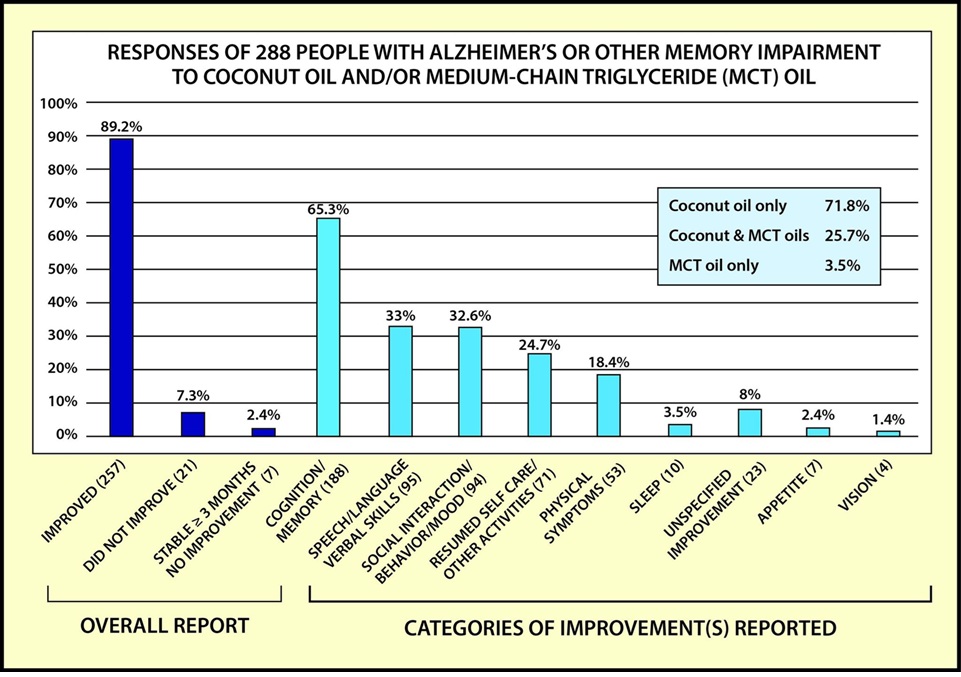
Between 2008 and 2014, I collected 288 reports from individuals and caregivers describing their experiences with coconut oil and/or MCT oil. The reports involved people with Alzheimer’s disease, other dementias, Parkinson’s disease, and other memory or cognitive problems.
Nearly 90% of the reports described improvements in one or more areas, including memory and cognition, speech, social interaction, behavior, mood, physical symptoms, and the ability to perform daily activities. Some individuals reportedly resumed self-care activities and hobbies. These changes can be particularly meaningful to people living with cognitive impairment and their caregivers.
Because these reports were voluntarily submitted and were not collected as part of a controlled clinical trial, they cannot establish that coconut oil or MCT oil caused the improvements. Nevertheless, they provide valuable observations that may help identify outcomes worth investigating in future clinical studies.
I presented these findings at the Alzheimer’s Disease International Conference in Amsterdam in 2023, and the analysis was published in a special Alzheimer’s disease issue of Medical Research Archives in 2024.
Read the Published Research
Read my analysis of the 288 caregiver and patient reports, published in Medical Research Archives in 2024.
Watch my brief presentation of these findings from the 2023 Alzheimer’s Disease International Conference in Amsterdam.
Watch the 3-Minute Presentation →
Next Steps
Beyond Ketones: Coconut Oil and Brain Health
In addition to providing fatty acids that can be converted into ketones, coconut oil contains substances that may support brain health through other mechanisms. Laboratory and animal studies have identified several potentially beneficial effects, although more research is needed to establish their importance in humans.
- Lauric acid (C12): Lauric acid and its derivative, monolaurin, have demonstrated antimicrobial activity against certain bacteria, viruses, and fungi in laboratory studies. Some infectious agents have been investigated as possible contributors to Alzheimer’s disease. However, it has not been established that consuming coconut oil prevents or treats Alzheimer’s disease through antimicrobial effects.
- Capric acid (C10): Also called decanoic acid, C10 has been shown to increase mitochondrial number and activity in cultured neuronal cells. It also has anticonvulsant properties that may contribute to the effectiveness of MCT-based ketogenic diets for epilepsy.
- Polyphenols: Virgin coconut oil contains small amounts of polyphenols with antioxidant and anti-inflammatory properties. These compounds may provide additional benefits beyond the production of ketones, although their effects on human brain health remain uncertain.
- Inflammation: Experimental studies suggest that certain medium-chain fatty acids and MCT formulations may influence inflammatory pathways, including those involved in neuroinflammation. Whether these effects translate into meaningful improvements in people with Alzheimer’s disease is still being investigated.
- Amyloid and neuronal protection: Studies in animal models of Alzheimer’s disease have reported that some MCT formulations can reduce amyloid-beta accumulation, influence neuroinflammation, and protect neurons. These findings are encouraging, but they have not yet established that coconut oil or MCT oil can prevent Alzheimer’s plaques or repair damaged brain tissue in humans.
Together, these findings suggest that coconut oil and its medium-chain fatty acids may have biological effects beyond ketone production. Understanding these mechanisms could help explain some of the observations reported in clinical studies and identify new directions for research.
In addition to providing fatty acids that can be converted into ketones, coconut oil contains substances that may support brain health through other mechanisms. Laboratory and animal studies have identified several potentially beneficial effects, although more research is needed to establish their importance in humans.
-
- Lauric acid (C12): Lauric acid and its derivative, monolaurin, have demonstrated antimicrobial activity against certain bacteria, viruses, and fungi in laboratory studies. Some infectious agents have been investigated as possible contributors to Alzheimer’s disease. However, it has not been established that consuming coconut oil prevents or treats Alzheimer’s disease through antimicrobial effects.
- Capric acid (C10): Also called decanoic acid, C10 has been shown to increase mitochondrial number and activity in cultured neuronal cells. It also has anticonvulsant properties related to direct inhibition of AMPA receptors, which may contribute to the benefits of MCT-based ketogenic diets for epilepsy.
- Polyphenols: Virgin coconut oil contains small amounts of polyphenols with antioxidant and potentially anti-inflammatory properties. Their effects on human brain health remain uncertain.
- Inflammation: Experimental studies suggest that certain medium-chain fatty acids and MCT formulations may influence inflammatory pathways, including those involved in neuroinflammation. Whether these effects produce meaningful improvements in people with Alzheimer’s disease remains under investigation.
- Amyloid and neuronal protection: Some preclinical studies have reported favorable effects of coconut oil components or MCT formulations on amyloid-beta accumulation, inflammation, and neuronal function. However, these findings have not established that coconut oil or MCT oil prevents Alzheimer’s plaques or repairs damaged brain tissue in humans.
MCTs in breastmilk are vital to the growing newborn brain

MCTs in breastmilk provide ketones as fuel and as building blocks of brain lipids.
Most common cooking oils and fats–olive, soybean, canola, corn, peanut, and fish oils, margarine, shortening–contain no MCTs. But an important exception is human breastmilk, which contains MCTs, mainly lauric acid, which helps protect the newborn from infection.
Infant formulas worldwide usually contain coconut oil and/or palm kernel oil (the seed of the palm fruit) to provide the MCTs found in human breastmilk. And extra MCTs are added to formulas for premature newborns and babies who have trouble digesting regular formulas.
Interestingly, babies who breastfeed exclusively are naturally in “ketosis”. And ketones are the building blocks of the many important lipids in the growing brain.
The milk fat of other mammals–cows, goats, sheep, for example–also contain MCTs. So, you will get some MCTs in your diet if you eat whole milk, butter, cream, and full-fat soft and hard cheeses, yogurts, and sour cream. Nonfat milk and other dairy products contain no MCTs. And MCTs are reduced in low-fat milk and dairy products.
Does Coconut Oil Increase Cholesterol or the Risk of Heart Disease?
Coconut oil contains no cholesterol, but it is relatively high in saturated fatty acids. Approximately two-thirds of its fatty acids are medium-chain fatty acids (C6–C12), including lauric acid (C12), which accounts for nearly half of coconut oil. These fatty acids differ in their digestion and metabolism from longer-chain saturated fats. Read Dr. Fabian Dayrit’s review of lauric acid (2015).
Many health organizations recommend limiting coconut oil because of concerns about LDL cholesterol and cardiovascular disease. However, the effects of coconut oil on blood lipids are more complex than a simple increase in total or LDL cholesterol. Furthermore, changes in cholesterol levels are not the same as actual cardiovascular outcomes, such as heart attacks, strokes, and cardiovascular deaths.
What Our 2025 Analysis of 26 Coconut Oil Studies Found
In a study published in Nutrients in 2025, Dr. Fabian Dayrit and I analyzed 984 sets of lipid measurements from 26 studies involving 792 individuals who consumed coconut oil for periods ranging from three weeks to two years.
Across the combined data, HDL cholesterol increased by an average of 5.8%, while triglycerides decreased by 2.9%. Total cholesterol and LDL cholesterol showed small average decreases of 0.13% and 1.8%, respectively. However, individual and study-level responses varied considerably.
Unlike many earlier analyses comparing coconut oil with other dietary fats, our study examined changes in lipid measurements before and after coconut oil consumption. This distinction is important because an increase in LDL cholesterol relative to another oil does not necessarily mean that LDL cholesterol increased from baseline in people consuming coconut oil.
Our analysis also considered HDL cholesterol, triglycerides, and lipid ratios, rather than evaluating cardiovascular risk based on total or LDL cholesterol alone. We concluded that the available coconut oil lipid studies did not justify a blanket recommendation to avoid coconut oil because of its presumed cardiovascular risk. However, these lipid data did not directly measure heart attacks, strokes, or cardiovascular deaths.

A Newer Meta-Analysis of Virgin Coconut Oil
A systematic review and meta-analysis published in December 2025 evaluated 14 randomized controlled trials involving 1,049 participants from 11 countries. The studies examined virgin coconut oil consumption over periods ranging from two to 24 weeks.
The investigators reported that virgin coconut oil:
- Reduced triglycerides by an average of 12.12 mg/dL.
- Increased HDL cholesterol by an average of 7.91 mg/dL.
- Did not produce statistically significant overall changes in LDL cholesterol or total cholesterol, although the estimates for both were numerically higher and results varied considerably among studies.
These findings are consistent with the favorable average HDL cholesterol and triglyceride changes reported in our 2025 analysis. However, the studies used different designs, comparison diets, and analytical methods. The newer meta-analysis did not establish whether coconut oil affects long-term cardiovascular event rates.
Read the December 2025 systematic review and meta-analysis →
Our 2024 Review: How the Lipid–Heart Hypothesis Shaped Dietary Guidelines
In our 2024 Nutrients review, Dr. Fabian Dayrit and I examined the history of the lipid–heart hypothesis and the scientific evidence used to support recommendations to reduce saturated fat and replace it with polyunsaturated fat.
In 1953, Dr. Ancel Keys proposed that consuming too much dietary fat, particularly saturated fat and cholesterol, increased serum cholesterol and contributed to atherosclerosis and coronary heart disease. His subsequent equation predicted changes in serum cholesterol based on the amounts of saturated fat, polyunsaturated fat, and dietary cholesterol consumed.
However, predicting changes in serum cholesterol is not the same as demonstrating that a dietary intervention prevents heart attacks or cardiovascular deaths.
Our review identified several important limitations in the development and interpretation of dietary fat recommendations:
- Naturally occurring saturated fats, such as butter and lard, were frequently grouped with partially hydrogenated margarines and shortenings containing industrial trans fats.
- Historical studies often did not adequately measure or distinguish trans-fat exposure between dietary groups.
- Replacing saturated fat with polyunsaturated vegetable oils lowered serum cholesterol, but corresponding improvements in cardiovascular outcomes were not consistently demonstrated.
- The potential consequences of substantially increasing omega-6 linoleic acid consumption received insufficient consideration in some historical dietary analyses.
- Different saturated fatty acids were often treated as metabolically equivalent, despite important differences in their chemical structures and physiological effects.
Our review examined the evidence behind these assumptions and their implications for dietary guidelines introduced during the late 20th century.
The following figure from our 2024 paper compares U.S. heart disease death rates with the historical per-person availability of margarine and shortening, as well as butter and lard.

What Did the Original Dietary Fat Trials Actually Find?
Several influential dietary intervention studies conducted during the 1960s and 1970s attempted to determine whether replacing saturated fats with polyunsaturated vegetable oils would reduce coronary heart disease.
The results were not consistent, and several studies had important methodological limitations.
Minnesota Coronary Experiment (1968–1973)
This randomized trial compared a diet containing animal fats, conventional margarines, and shortenings with a diet emphasizing corn oil and polyunsaturated margarine.
The intervention substantially lowered serum cholesterol. However, a reanalysis of recovered data published in The BMJ in 2016 found no corresponding reduction in mortality or evidence of less coronary atherosclerosis at autopsy.
Importantly, the control diet included common margarines and shortenings, which could contain industrial trans fats. Their presence complicates efforts to isolate the effects of replacing naturally occurring saturated fats.
Read the Minnesota Coronary Experiment reanalysis (2016) →
Sydney Diet Heart Study (1966–1973)
This randomized trial enrolled men with coronary heart disease and compared a dietary intervention emphasizing safflower oil and polyunsaturated margarine with a control diet containing animal fats, common margarines, and shortenings.
Although the intervention lowered serum cholesterol, recovered data published in The BMJ in 2013 showed significantly higher cardiovascular and coronary heart disease mortality in the intervention group.
The precise trans-fat exposure in the diets was not fully documented, making the effects of the different fat substitutions difficult to separate. These results nevertheless illustrate why lowering serum cholesterol does not guarantee an improvement in cardiovascular outcomes.
Read the Sydney Diet Heart Study reanalysis (2013) →
Finnish Mental Hospital Study (1959–1971)
This frequently cited study was conducted in two psychiatric hospitals in Finland. During the first six years, one hospital received a diet higher in polyunsaturated fats, while the other continued its customary diet. The hospitals then exchanged diets for the second six-year period.
The investigators reported fewer coronary events during the dietary intervention periods. However, the study had several important limitations.
Individual patients were not randomized. The patient populations also changed during the study, including at the crossover.
A particularly important potential confounding factor was the unequal use of thioridazine, an antipsychotic medication now recognized as potentially cardiotoxic because it can prolong the QT interval and cause serious cardiac arrhythmias.
A subsequent analysis by Ramsden and colleagues identified substantial differences in thioridazine exposure among the study groups. The trans-fat content of the control diets also differed.
Because medication exposure, dietary composition, and patient populations differed, the favorable findings cannot be attributed confidently to replacing saturated fat with polyunsaturated fat alone.
Ramsden and colleagues excluded the Finnish Mental Hospital Study from their 2010 randomized-trial meta-analysis because individual patients were not randomized and these important confounding factors could not be adequately controlled.
Read Ramsden and colleagues’ 2010 analysis of dietary PUFA trials →
Other Dietary Intervention Trials
The Los Angeles Veterans Administration Diet Study and Oslo Diet-Heart Study reported reductions in some coronary or combined cardiovascular outcomes.
However, interpreting these studies requires consideration of their endpoints and intervention designs. The Los Angeles Veterans study did not demonstrate a statistically significant reduction in its primary endpoint of myocardial infarction or sudden cardiac death. The Oslo intervention changed several dietary components, including fish and vegetable consumption, in addition to dietary fats.
Consequently, favorable outcomes in these trials cannot always be attributed exclusively to substituting polyunsaturated fats for naturally occurring saturated fats.
What Have Meta-Analyses Found About Cardiovascular Events and Mortality?
Systematic reviews combining dietary intervention trials have reached somewhat different conclusions, partly because of differences in trial selection, dietary interventions, and outcome definitions.
A 2020 Cochrane review reported a statistically significant reduction in combined cardiovascular events when saturated fat intake was reduced. However, it found little or no effect on all-cause mortality, cardiovascular mortality, or nonfatal myocardial infarction.
This distinction is important. A statistically significant reduction in a composite cardiovascular endpoint does not necessarily mean that most individual trials demonstrated significant reductions in heart attacks or deaths.
Some analyses restricted to trials specifically replacing saturated fat with omega-6 linoleic acid have not demonstrated reductions in coronary or all-cause mortality.
Furthermore, historical trials sometimes combined naturally occurring saturated fats with industrial trans fats, or introduced other dietary changes alongside increased polyunsaturated fat consumption.
These differences complicate attempts to isolate the effects of replacing saturated fat with polyunsaturated fat.
Read the 2020 Cochrane review of saturated fat reduction →
What Did the PURE Study Find?
A large international prospective cohort study published in The Lancet in 2017 examined dietary fat and carbohydrate intake in 135,335 adults from 18 countries, with a median follow-up of 7.4 years.
Unlike studies focused primarily on cholesterol, the PURE study examined actual cardiovascular events and deaths.
The investigators found that higher saturated fat consumption was associated with lower all-cause mortality and stroke risk. Higher saturated fat intake was not significantly associated with myocardial infarction or cardiovascular mortality. In contrast, higher carbohydrate intake was associated with increased all-cause mortality.
Because PURE was an observational study, these findings cannot establish that saturated fat prevents cardiovascular disease or that high carbohydrate intake directly causes death. Nevertheless, the results emphasize the complexity of the relationships among dietary fats, carbohydrates, and cardiovascular outcomes.
The study did not specifically evaluate coconut oil.
Read Dehghan and colleagues, The Lancet (2017) →
What Does This Mean for Coconut Oil?
The available research indicates that the effects of coconut oil on blood lipids vary among individuals. Our 2025 analysis and a newer meta-analysis of virgin coconut oil found favorable average changes in HDL cholesterol and triglycerides. Other studies comparing coconut oil with unsaturated vegetable oils have reported higher LDL cholesterol levels relative to those oils.
These findings are not necessarily contradictory because they examine different comparisons and outcomes.
Importantly, long-term clinical trials have not established whether coconut oil consumption itself increases or decreases the incidence of heart attacks, strokes, or cardiovascular deaths.
Likewise, although replacing some saturated fat with polyunsaturated fat has been associated with reductions in certain combined cardiovascular outcomes, the long-term effects of consuming very high amounts of polyunsaturated fats, particularly omega-6 linoleic acid, remain incompletely understood. Existing evidence should not be interpreted as establishing either harm or safety at every level of intake.
Neither the absence of demonstrated cardiovascular harm from coconut oil nor evidence of benefits from moderate PUFA substitution establishes that either type of fat is necessarily safe or beneficial at all levels of consumption.
The important distinction is between changes in blood lipid measurements and evidence of actual cardiovascular outcomes. Both deserve consideration when evaluating dietary recommendations.
For people who choose to consume coconut oil, particularly those concerned about cholesterol, checking a lipid profile before starting and again approximately two to three months later can help identify their individual response. Those with established cardiovascular disease or elevated cardiovascular risk should discuss substantial dietary changes with their healthcare professional.
Commercial MCT oils containing primarily C8 and C10 are another option for people interested in increasing ketone production, although their effects on lipid profiles and cardiovascular outcomes should not be assumed to be identical to those of coconut oil.
How to Use Coconut Oil and MCT Oil
What to Buy and How to Store These Oils
When choosing coconut oil for brain health, I generally prefer unrefined virgin coconut oil, which retains more of its naturally occurring polyphenols and coconut flavor. Refined coconut oil is another option for people who prefer an oil without a coconut aroma or taste. Both contain essentially the same fatty acid composition.
Many coconut oil and MCT oil products are manufactured by a relatively small number of suppliers and sold under different brand names. Store brands may offer good quality at lower prices. Compare the ingredients, fatty acid composition, processing methods, and cost per serving rather than relying on brand recognition alone.
Storage: Coconut oil and MCT oil generally do not require refrigeration. Keep containers tightly closed in a cool, dry place away from direct sunlight. Unopened products often have shelf lives of approximately 18 to 24 months, although this varies by product. Always follow the manufacturer’s expiration and storage instructions.
As an Amazon Associate, I earn from qualifying purchases. These commissions help support this website at no additional cost to you.
Choosing Coconut Oil for Brain Health

Organic Unrefined Virgin Coconut Oil
Virgin coconut oil is my preferred choice when coconut flavor is acceptable. Look for products labeled cold-pressed or expeller-pressed. Virgin coconut oil is minimally refined and generally retains more naturally occurring polyphenols than refined coconut oil.
It works well in oatmeal, smoothies, coffee, and many recipes. Its coconut flavor may be noticeable, especially when added to foods without other strong flavors.
Don’t like the coconut aroma? Refined coconut oil is nearly odorless and flavorless, making it a convenient option for cooking and adding to foods without changing their taste.
Although refining reduces some minor constituents, including polyphenols, the oil retains essentially the same amounts and proportions of medium-chain fatty acids as virgin coconut oil. These fatty acids can contribute to ketone production.
Choosing MCT Oil for Brain Health
MCT oil is generally clear, nearly tasteless, and odorless. It can be added to many foods and drinks, including coffee, tea, smoothies, yogurt, and salad dressings.
Commercial MCT oils contain different combinations of medium-chain fatty acids, most commonly caprylic acid (C8), capric acid (C10), and sometimes lauric acid (C12). Their relative proportions affect how rapidly and strongly they increase blood ketone levels.
Organic certification may be useful to some consumers, but it does not by itself establish that an MCT oil was extracted without chemical solvents. Check the manufacturer’s processing information if this is important to you.
Important: MCT oils can cause abdominal discomfort, nausea, cramping, or diarrhea, particularly when large amounts are consumed initially. Start with a small serving, such as 1/2 teaspoon, and increase gradually as tolerated. Taking the oil with food may improve tolerance. People with significant medical conditions should discuss substantial dietary changes or ketone supplementation with their healthcare professional.
Pure C8 MCT Oil

Bulletproof Brain Octane C8 MCT Oil
Pure C8 (caprylic acid) is particularly effective at increasing blood ketone levels. Human studies have shown that C8 generally produces a faster and greater acute ketone response than equivalent amounts of C10 or C12.
C8 products are often more expensive than mixed MCT oils. As with other MCT formulations, consuming too much too quickly can cause digestive discomfort. Start with a small serving and increase gradually.
Read a study comparing ketone responses to C8, C10, and C12.
C8/C10 MCT Oil
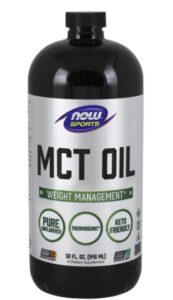
NOW Sports Organic C8/C10 MCT Oil
C8/C10 mixtures are among the most widely available commercial MCT oils and are generally less expensive than pure C8 products.
They can raise blood ketone levels while providing both caprylic acid (C8) and capric acid (C10). The ketone response depends on the proportions of these fatty acids, the amount consumed, and whether the oil is taken with food.
Digestive tolerance varies among individuals, so begin with a small amount and increase gradually.
C8/C10/C12 MCT Oil
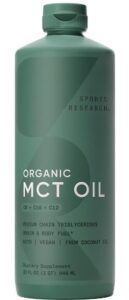
Sports Research C8/C10/C12 MCT Oil
Some MCT oils contain a mixture of C8, C10, and lauric acid (C12), with C12 accounting for approximately 30% of the fatty acids in certain formulations. Check the product label for its current composition.
C12 is metabolized differently from C8 and generally produces a smaller immediate increase in blood ketones. Nevertheless, it has other biological properties of interest, including antimicrobial activity demonstrated in laboratory studies.
These findings do not establish that consuming C12 prevents Alzheimer’s disease or infections. The relative benefits of different C8/C10/C12 formulations for long-term brain health remain an important area for research.
Powdered MCT Oil and Creamers
Powdered MCT products are convenient for travel and can be blended into hot or cold beverages. They usually contain C8 and C10 oils combined with carriers that convert the oil into a powder.
Some people find these powders easier to incorporate into their diets, although digestive tolerance depends on the ingredients and serving size. Check labels for carbohydrate content, sweeteners, added fibers, and other ingredients.
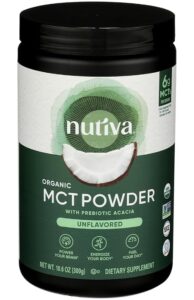
Nutiva Organic MCT Powder/Creamer
An option for adding MCTs to coffee, tea, smoothies, or other drinks. Mixing with a small whisk or milk frother can help create a creamy texture.
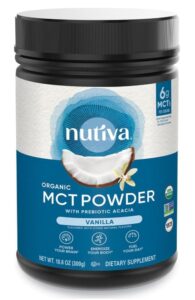
Nutiva Vanilla MCT Powder/Creamer
A flavored alternative for people who enjoy vanilla coffee, tea, or smoothies. Review the ingredients and nutrition label when comparing flavored MCT powders.
Remember: Coconut oil and MCT oil are dietary sources of medium-chain fatty acids, but neither has been established as a cure or proven preventive treatment for Alzheimer’s disease. The amount of ketones produced and the effects on cognition vary among individuals and formulations.
How Much to Start With

About 1 in 4 people have an upset stomach or diarrhea when taking coconut oil or MCT oil for the first time. So, it is important to start with a small amount, work up slowly, and eat the oils with other foods.
Step 1 – Start with ½ teaspoon 2 or 3 times daily with food to avoid upset stomach &/or diarrhea. If that happens, start with a smaller amount and increase slowly.
Step 2 – If tolerated, begin to increase by ½ teaspoon per serving every 3 or 4 days.
Step 3 – For prevention, aim for 2 or 3 tablespoons daily. For people with memory concerns, aim for 3 to 6 tablespoons per day or more if tolerated.
Step 4 – Optional: Mix MCT oil with coconut oil for higher ketone levels and longer duration (see below).
Amounts Used in Clinical Trials
Clinical studies involving people with mild cognitive impairment or Alzheimer’s disease have investigated different amounts of coconut oil and concentrated MCT oil. Coconut oil studies have used approximately 30–60 mL daily (2–4 tablespoons), while studies of concentrated MCT formulations have generally used about 20–42 grams daily. These amounts were often divided into two or more servings.
Examples from published clinical research:
- Sri Lankan virgin coconut oil study: 30 mL (2 tablespoons) daily.
- De la Rubia Ortí and colleagues (2017 and 2018): The 2017 Spanish study involved 44 people with Alzheimer’s disease, with 22 receiving 40 mL (about 2⅔ tablespoons) of coconut oil daily, divided into two 20 mL servings, for 21 days. The related 2018 English publication also examined cognitive outcomes with a coconut oil-enriched Mediterranean diet. Because the publications appear closely related, they are grouped here rather than counted as independent participant populations.
2017 Spanish publication |
2018 English publication. - Malaysian coconut oil study: 30 mL daily initially, increasing to 60 mL (4 tablespoons) daily.
- MCT oil study in Alzheimer’s disease (2022): Target 42 grams daily, with average actual consumption of 25.2 grams.
- Fortier and colleagues, BENEFIC study: 30 grams of MCTs daily, divided into two servings, in people with mild cognitive impairment.
- Phillips and colleagues (2021): A modified ketogenic diet for Alzheimer’s disease that incorporated coconut oil and other fats into meals and recipes. The study did not specify a single standardized daily coconut oil quantity.
These are amounts investigated in clinical research, not established doses for preventing or treating Alzheimer’s disease. Coconut oil and concentrated MCT oil differ in their fatty acid composition and ketone-producing effects. Individual tolerance varies, and larger quantities are not necessarily more effective.
More Tips to Avoid Digestive Upset
Some people experience abdominal discomfort, nausea, or diarrhea when they first begin taking coconut oil or MCT oil, particularly with larger servings. Concentrated MCT oil may be more difficult to tolerate than coconut oil for some people. These suggestions may help:
- Try combining coconut oil with MCT oil. Some people find that a mixture is easier to tolerate than concentrated MCT oil alone. Begin with small amounts to see what works best for you.
- Take the oils with food. Add them to meals or beverages such as oatmeal, yogurt, smoothies, or creamy coffee. Avoid taking a large serving on an empty stomach.
- Consume the serving gradually. Rather than swallowing the oil all at once, try adding it to a food or beverage consumed slowly over approximately 20 minutes.
- Consider powdered MCT products. Some people tolerate MCT oil powders or creamers better than liquid oil. Check the ingredient label, since these products may contain added carbohydrates, fibers, emulsifiers, or other ingredients that affect digestion.
- Reduce the amount if digestive symptoms occur. Return to a smaller serving that is comfortable, and increase more slowly. There is no need to force a higher amount if it causes persistent discomfort.
Pancreatic enzyme supplements are generally intended for people with pancreatic enzyme insufficiency or other specific medical indications, rather than routine prevention of MCT-related digestive upset. Persistent diarrhea, abdominal pain, or other gastrointestinal symptoms should be discussed with a healthcare professional.
Why and How to Mix Coconut and MCT Oils
Coconut oil and concentrated MCT oil have different fatty acid compositions and may complement each other when used together. MCT oils containing C8 (caprylic acid) and C10 (capric acid) generally produce higher blood ketone levels than coconut oil alone. Coconut oil also provides lauric acid, small amounts of naturally occurring polyphenols, and other fatty acids that may have benefits beyond ketone production.
My original goal in combining the two oils was to produce higher ketone levels from MCT oil while retaining the other components of coconut oil. I also hoped the mixture might help sustain ketone availability over a longer period. Although this was part of my reasoning, the duration and magnitude of the ketone response depend on the types and amounts of oil consumed, meal composition, and individual metabolism.
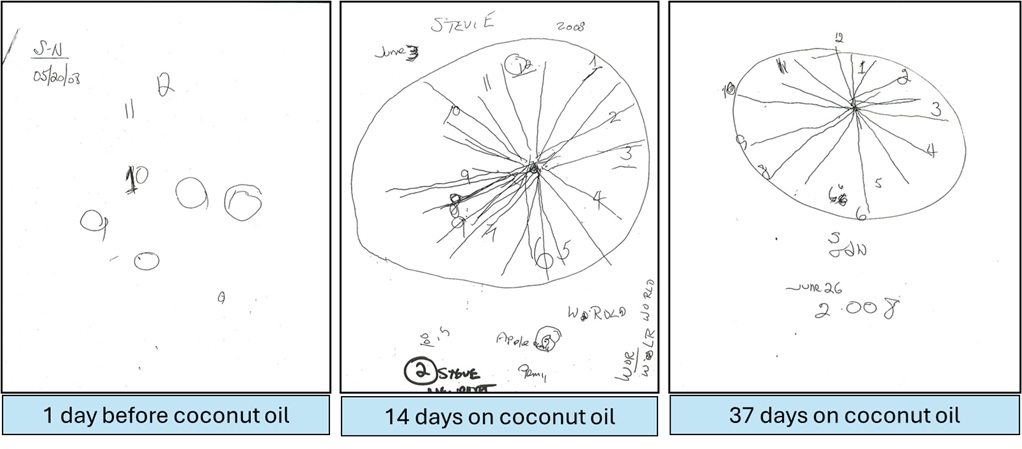
My husband, Steve Newport, experienced a dramatic improvement after starting coconut oil in 2008. About six weeks later, I began giving him MCT oil as well and experimented with combining the two oils.
I discovered that mixing slightly more MCT oil than coconut oil produced a blend that generally stayed liquid at normal room temperature. The mixture was convenient to use and could be stirred into many foods and beverages, hot or cold.
The combination I settled on was 4 parts MCT oil to 3 parts coconut oil, measured by volume. Here is a simple recipe for making it at home.
Easy Recipe: Coconut Oil and MCT Oil Mixture
Yield: Approximately 7 fluid ounces (about 210 mL)
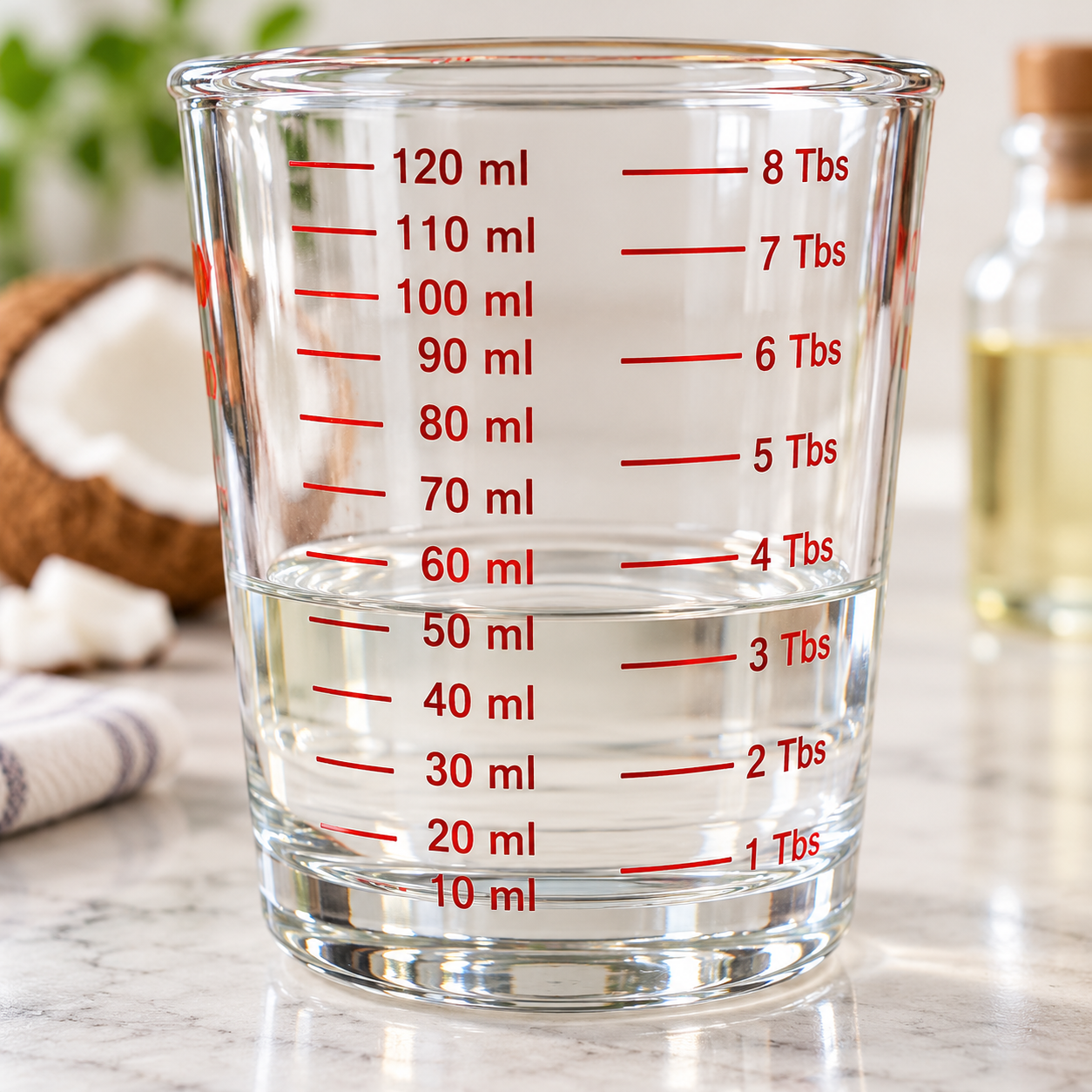
Ingredients:
- 3 fluid ounces (about 90 mL) coconut oil
- 4 fluid ounces (about 120 mL) MCT oil
Instructions:
- Measure 3 fluid ounces of coconut oil into an 8-ounce or larger heat-resistant glass measuring cup.
- If the coconut oil is solid, place the measuring cup in a pan of warm water until it melts. Alternatively, if the cup is microwave-safe, heat briefly in 10-second intervals, checking and stirring between intervals. Avoid overheating.
- Add 4 fluid ounces of MCT oil and stir until thoroughly combined. The total volume will be approximately 7 fluid ounces.
- Pour into a clean, dry, tightly covered glass bottle or other food-safe container. Store according to the oils’ package instructions, away from excessive heat and direct sunlight.
To make a larger batch (28 fluid ounces): Combine 12 fluid ounces (about 360 mL) of coconut oil with 16 fluid ounces (about 480 mL) of MCT oil, maintaining the same 3:4 ratio.
Note: The mixture may become cloudy or partially solidify if stored in a cool room. Gently warming the container can return it to a liquid state.
What happened to MCT//143? MCT//143 is no longer available from Pruvit. I prepared a short guide explaining alternatives and how to make a similar oil mixture at home.
Read my guide: What to Do in Place of MCT//143 (PDF).
Still have questions about MCT//143? Email me at ketones08@gmail.com.
How to Use Coconut Oil and MCT Oil in Food
You can take coconut oil or MCT oil directly from a spoon, but adding them to everyday foods and beverages is often more pleasant and easier to maintain over the long term. You can substitute coconut oil for other cooking fats in some recipes or simply add coconut oil, MCT oil, or a mixture of the two to prepared foods.
Pair Coconut Oil or MCT Oil with a Low-Carb or Ketogenic Diet →
Cooking with Coconut Oil

Coconut oil can be used for sautéing, baking, and many other cooking methods. Its suitability for higher temperatures depends on whether it is virgin or refined coconut oil.
Virgin coconut oil: Has a mild to noticeable coconut flavor and a smoke point commonly reported around 350°F (175°C). It works well for gentle sautéing, low- to moderate-heat cooking, and baking.
Refined coconut oil: Has a more neutral flavor and generally a higher smoke point, often approximately 400–450°F (205–230°C), depending on the product. It may be preferable for cooking at higher temperatures.
For sautéing: Use coconut oil to cook eggs, vegetables, fish, chicken, and other foods. Adjust the heat according to the type of coconut oil you are using, and avoid allowing the oil to smoke.
For baking: Coconut oil can replace butter or other oils in many recipes. When substituting for butter, remember that butter contains some water, so the recipe may need a small adjustment. Use the type of coconut oil appropriate for the recipe and its cooking conditions.
For higher-temperature cooking: Choose an oil with a suitable smoke point rather than relying on mixing coconut oil with butter or another oil to prevent smoking.
Cooking with MCT Oil
Concentrated MCT oil is generally better suited for adding to foods and beverages than for cooking directly over heat.
For sautéing and frying: Concentrated MCT oil is not recommended for frying or high-temperature sautéing. Some formulations may smoke or foam when heated. Check the manufacturer’s instructions for your particular product.
For baking: Some manufacturers permit limited use in low-temperature baking, but recommendations vary by formulation. To preserve the quality of the oil and avoid overheating, I generally recommend adding concentrated MCT oil to foods after cooking whenever practical.
Adding Coconut Oil or MCT Oil to Prepared Foods
One of the simplest ways to use these oils is to add them to foods you already enjoy.
Coconut oil becomes solid at cooler temperatures, so it may form small lumps when stirred into cold foods. It melts readily in warm foods. Concentrated MCT oil remains liquid at room temperature and blends more easily into many cold foods. A coconut oil and MCT oil mixture can also be convenient, although it may thicken or partially solidify when chilled.
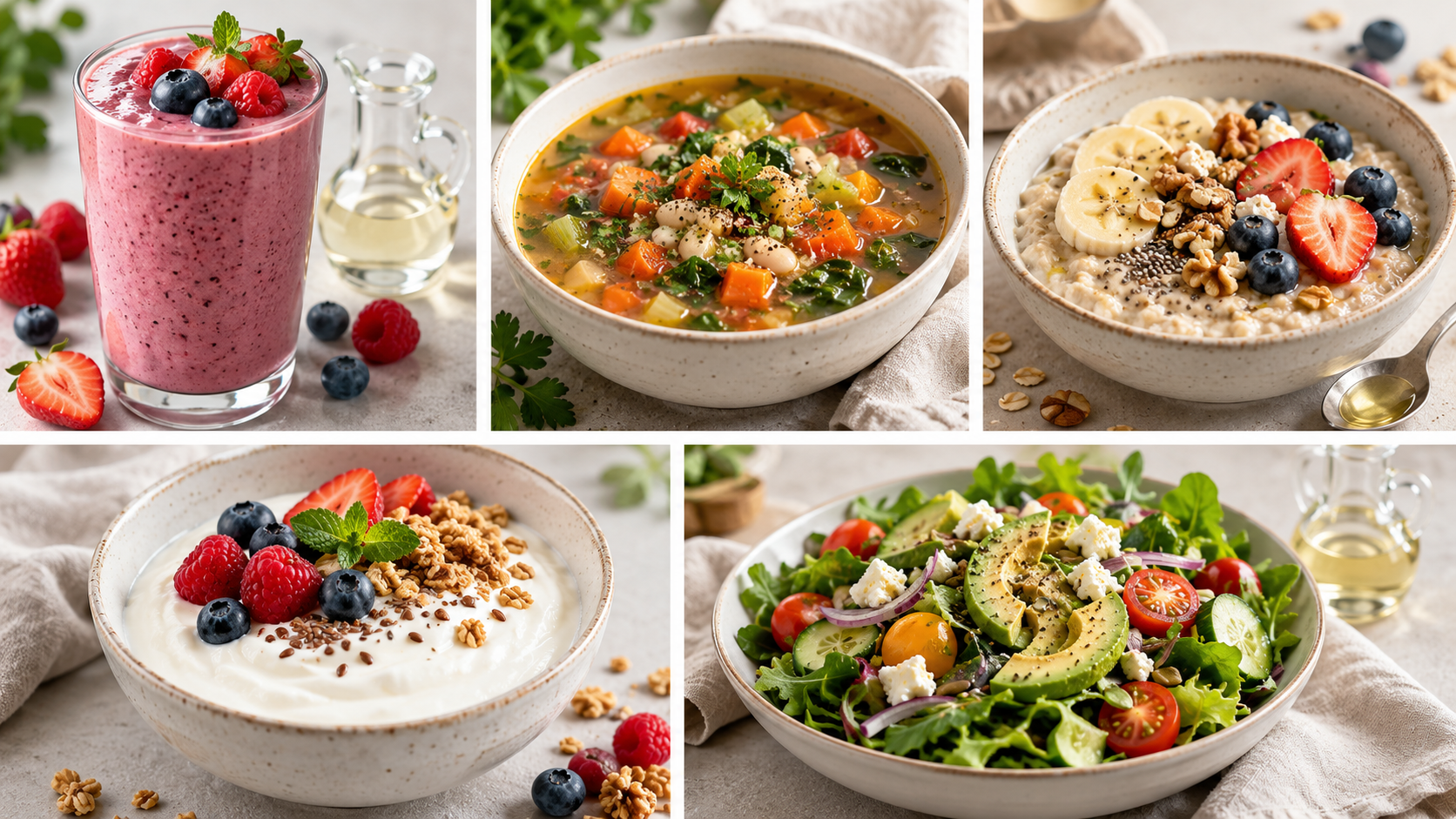
Try adding coconut oil, MCT oil, or a mixture of the two to:
- Warm vegetables and side dishes: Stir into cooked vegetables, sweet potatoes, rice, or oatmeal.
- Soups and stews: Add to broth, soup, stew, or chili after cooking, or when serving.
- Coffee and tea: Stir into a warm beverage, or use a blender or frother for a creamier texture. Liquid oils may separate and float on the surface. Powdered MCT creamers often mix more readily.
- Smoothies: Blend a small amount of MCT oil or the coconut oil and MCT oil mixture into your favorite smoothie.
- Dairy foods: Mix into yogurt, cottage cheese, ricotta cheese, milk, buttermilk, or kefir.
- Salads: Drizzle MCT oil or the oil mixture over a salad, or blend it into your favorite salad dressing.
Another option is coconut milk or coconut cream. Both contain coconut fat, although the amount varies substantially depending on the product and its water content.
You can add coconut milk or coconut cream to smoothies, ricotta cheese, soups, stews, and other recipes. Unsweetened versions may be especially useful for people following a low-carbohydrate diet. Coconut milk can also be diluted with water or coconut water to make a beverage.
Tip: Start with small amounts of coconut oil or MCT oil and increase gradually as tolerated, especially when adding them to foods or beverages for the first time.
Combining Coconut Oil and MCT Oil with a Low-Carb Diet
A low-carbohydrate diet may complement coconut oil and MCT oil by encouraging the body to produce more ketones, which can serve as an alternative energy source for the brain. How much ketone levels increase depends on carbohydrate intake, the types and amounts of fats consumed, and individual metabolism.
One easy way to begin is to gradually reduce portions of bread, pasta, rice, cereals, potatoes, and other starchy foods. For example, try reducing your usual portion by half and replacing some of it with non-starchy vegetables, protein-rich foods, and healthy fats. Once you are comfortable with those changes, you can reduce carbohydrate intake further if desired.
For a more structured approach, see my Ketogenic Diet Guide →
Why Whole Foods Matter for Brain Health
A healthy diet is an important part of an overall lifestyle that supports brain health. In 2020, an expert commission published in The Lancet estimated that approximately 40% of dementia cases worldwide might be prevented or delayed by addressing 12 potentially modifiable risk factors. An updated 2024 Lancet Commission expanded the list to 14 risk factors and estimated that approximately 45% of dementia cases might be preventable or delayed.
These factors include physical inactivity, diabetes, hypertension, smoking, hearing loss, social isolation, and other health and environmental risks. Diet is one important way to support metabolic and cardiovascular health, although the estimates do not mean that changing diet alone can prevent 45% of dementia cases.
Read the research:
2020 Lancet Commission |
2024 Lancet Commission
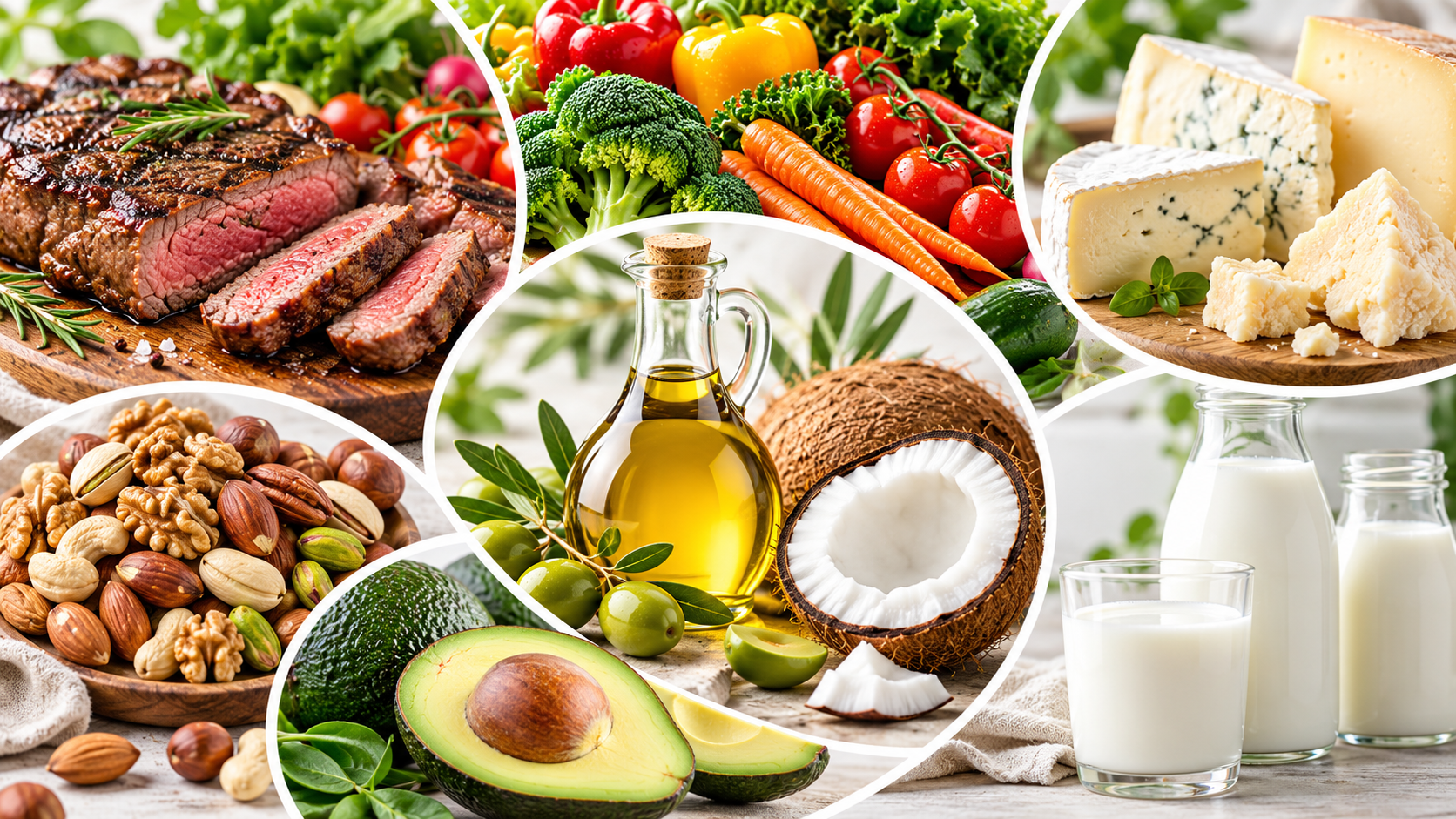
Traditional diets around the world have long emphasized minimally processed foods such as meat, fish, poultry, eggs, dairy products, vegetables, fruits, nuts, seeds, whole grains, and legumes. These foods can provide protein, essential fatty acids, vitamins, minerals, and other nutrients important for overall health.
Reducing ultra-processed foods and foods high in added sugars is a practical place to begin. A whole-food diet does not necessarily have to be ketogenic to be nutritious, but reducing carbohydrate intake may help some people achieve higher blood ketone levels, particularly when combined with coconut oil or concentrated MCT oil.
For a lower-carbohydrate approach, emphasize non-starchy vegetables, adequate protein, and nutritious fats such as olive oil, avocado, nuts, coconut oil, and MCT oil. The choice and quantity of fats should also take individual health needs and blood lipid responses into account.
Important: Older adults and people with medical conditions should consult their healthcare professional before beginning a substantially carbohydrate-restricted or ketogenic diet, particularly if they take medication for diabetes. People with Alzheimer’s disease should also receive adequate calories and protein to avoid unintended weight loss and loss of muscle mass.
Books with Recipes Using Coconut Oil and MCT Oil
All four of my books include recipes and practical ideas for incorporating coconut oil, MCT oil, and nutritious whole foods into everyday meals. If you’re looking for help getting started with a lower-carbohydrate diet, these two books are especially useful.
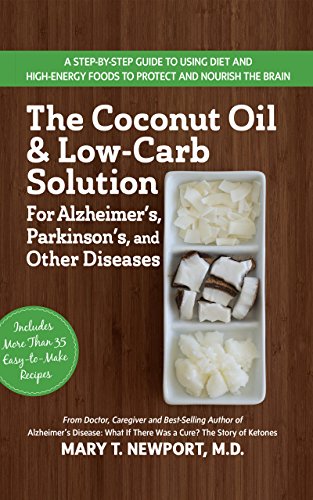
The Coconut Oil and Low-Carb Solution for Alzheimer’s, Parkinson’s, and Other Diseases (2015)
A practical, easy-to-follow introduction to incorporating coconut oil and MCT oil into a whole-food, lower-carbohydrate diet, with less emphasis on the science.
- Practical guidance for transitioning to lower-carbohydrate eating.
- More than 35 easy-to-make recipes for everyday meals.
- Ideas for incorporating coconut oil and MCT oil into meals.
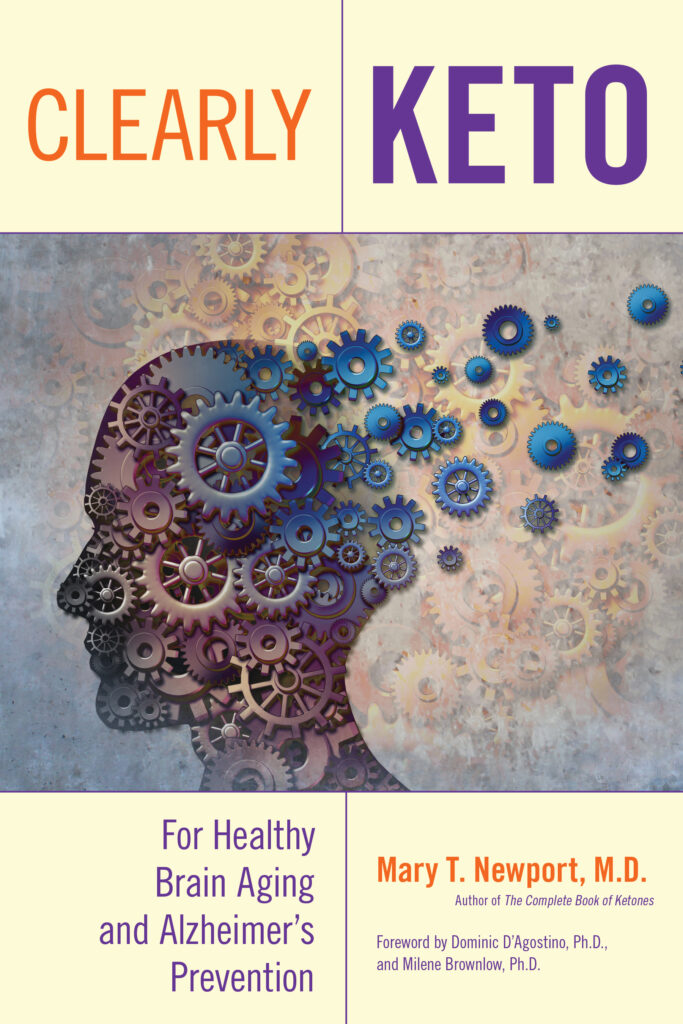
Clearly Keto for Healthy Brain Aging and Alzheimer’s Prevention (2022)
For readers who want both scientific evidence and practical advice about nutrition, lifestyle, brain aging, and Alzheimer’s disease.
- Research on diet, exercise, and other lifestyle factors that influence brain health.
- Explanations of brain glucose hypometabolism and the potential role of ketones.
- Guidance for incorporating a whole-food, lower-carbohydrate or ketogenic diet into everyday life.
- Dozens of easy recipes using nutritious whole foods.
Looking for more recipes and information about ketones and brain health? My other books also include recipes, along with research and explanations of ketogenic diets, coconut oil, MCT oil, and ketone supplements.
Explore All Four Books by Dr. Mary Newport →
As an Amazon Associate, I earn from qualifying purchases. Commissions help support this website at no additional cost to you.
Frequently Asked Questions About Coconut Oil and MCT Oil
Here are answers to common questions about storing and using coconut oil and MCT oil, their nutritional properties, and other possible uses.
How Should Coconut Oil and MCT Oil Be Stored?
Both coconut oil and concentrated MCT oil are relatively resistant to oxidation compared with many oils rich in polyunsaturated fatty acids. Properly stored, unopened products often have a shelf life of approximately 18–24 months or longer, depending on the manufacturer. Follow the expiration date and storage instructions on the label.
Coconut oil: Store in a tightly closed container away from heat and direct sunlight. Refrigeration is unnecessary. Coconut oil generally solidifies below approximately 76°F (24°C) and becomes liquid when warmer. It may appear cloudy when partly melted, which is normal.
MCT oil: Most concentrated C8/C10 MCT oils remain liquid at room temperature but may thicken when chilled.
Containers: A wide-mouth jar is convenient for coconut oil because it may solidify. Glass bottles work well for MCT oil and coconut/MCT oil mixtures. Food-grade plastic containers designed for these oils are also suitable. Avoid polystyrene foam (Styrofoam) containers, which may be damaged by contact with oils.
Does Coconut Oil Contain Omega-3 or Omega-6 Fatty Acids?
Coconut oil contains a small amount of the omega-6 fatty acid linoleic acid but essentially no omega-3 fatty acids. Concentrated C8/C10 MCT oil contains virtually no omega-3 or omega-6 fatty acids.
Both omega-3 and omega-6 fatty acids are essential nutrients that must come from the diet. If you regularly use coconut oil or MCT oil, be sure to include other sources of essential fatty acids.
Fatty fish and seafood provide the omega-3 fatty acids EPA and DHA. Walnuts, flaxseed, and chia seeds supply the plant omega-3 fatty acid ALA. Fish oil, krill oil, and algae-derived DHA supplements are additional options.
What About Children?
Coconut oil and MCT oil may also have potential applications for children’s brain health. Medium-chain fatty acids are naturally present in human breast milk, and coconut oil or MCT oil is included in some commercial infant formulas.
Ketogenic diets have been used successfully for decades to treat children with drug-resistant epilepsy and certain inherited metabolic disorders, including GLUT1 deficiency syndrome and pyruvate dehydrogenase complex deficiency. Specialized ketogenic diets often include coconut oil or concentrated MCT oil to help increase and sustain ketone production while allowing more flexibility in food choices.
Researchers have also investigated ketogenic diets in children with autism spectrum disorder. In one small study described by the Charlie Foundation, 10 of 18 children showed moderate or significant behavioral improvement during an MCT-based ketogenic dietary intervention. These findings are encouraging, although larger controlled studies are needed.
I have also received positive reports from parents of children with autism and Down syndrome who have incorporated coconut oil or MCT oil into their children’s diets. These individual experiences are not controlled clinical studies, but they provide additional reasons to investigate the potential benefits.
For families interested in incorporating these oils into a child’s diet, my practical approach is to begin with a very small amount mixed into food, observe digestive tolerance, and increase gradually if appropriate. A child’s age, weight, nutritional requirements, medical conditions, and medications should guide the decision. There is no established supplemental dose for improving cognition or behavior in children.
Ordinary dietary use of coconut oil is different from implementing a therapeutic ketogenic diet, which requires careful attention to adequate calories, protein, essential fatty acids, vitamins, minerals, and growth. Parents considering a ketogenic diet or substantial MCT supplementation should work with an experienced pediatric healthcare professional and ketogenic dietitian.
Learn more: The Charlie Foundation for Ketogenic Therapies provides extensive information about medical ketogenic diets, MCTs, epilepsy, autism research, and other neurological and metabolic conditions.
What About Pets?
Dogs and cats can develop age-related changes in cognition and behavior, sometimes called cognitive dysfunction syndrome. There is encouraging research showing that dietary MCTs may improve cognitive performance in older dogs.
In a 2010 controlled study, aged Beagle dogs receiving a diet containing 5.5% MCTs for eight months performed significantly better on several cognitive tasks, including measures of learning and visuospatial function. Blood ketone levels also increased.
A randomized, double-blind clinical study involving 87 older dogs with cognitive dysfunction evaluated diets containing MCT oil together with a brain-protection nutrient blend. After 90 days, dogs receiving the 6.5% MCT diet improved across all six categories of cognitive dysfunction signs. Because the diet also contained other beneficial nutrients, the improvements cannot be attributed to MCTs alone.
I have also received positive anecdotal reports from pet owners who introduced coconut oil or MCT oil into the diets of older animals experiencing cognitive problems. These observations are consistent with the possibility of benefit, although responses vary.
Introducing the oils: For pet owners who wish to try coconut oil or MCT oil, beginning with a very small amount mixed into food and increasing gradually as tolerated is a sensible approach. The appropriate amount depends on the animal’s size, diet, and health. A veterinarian can help determine a suitable starting amount, particularly for elderly pets or those with digestive disorders or a history of pancreatitis.
Ketogenic diets are also being investigated in veterinary cancer care. Experimental studies have demonstrated metabolic changes in dogs eating ketogenic diets, and case reports have described potentially interesting outcomes. However, the effectiveness of ketogenic diets as a treatment for canine cancer has not yet been established in controlled clinical trials.
Learn more: KetoPet provides information about ketogenic nutrition for dogs with cancer and related research. Dietary approaches should complement appropriate veterinary cancer care.
Will Adding Coconut Oil or MCT Oil Affect My Weight?
Both coconut oil and MCT oil provide concentrated calories, approximately 115–120 calories per tablespoon, depending on the product. Whether adding them affects your weight depends partly on your total calorie intake and the foods they replace.
If you need to gain weight: Adding coconut oil or MCT oil to meals may help increase calorie intake, provided the oils are well tolerated. Adequate protein and overall nutrition remain especially important for older adults.
If you want to lose weight: Consider substituting coconut oil or MCT oil for some of the fat already in your diet rather than simply adding extra calories. Reducing portions of refined carbohydrates and highly processed foods may also help some people manage calorie intake and blood glucose levels.
MCTs are absorbed and metabolized differently from most long-chain fats, with a substantial portion rapidly oxidized for energy or converted to ketones. However, they can still contribute to fat storage when calorie intake exceeds energy needs.
Some controlled studies have found modest reductions in body weight or body fat when MCTs replace longer-chain dietary fats. Results vary, and MCT oil alone is not a weight-loss treatment.
Download My Easy Whole-Food Low-Carb Diet Plan (PDF) →
What Other Coconut Products Contain Coconut Oil?
Many coconut foods contain the same fatty acids found in coconut oil, although their fat content varies considerably.
- Coconut milk and coconut cream: These contain coconut fat mixed with water. Canned coconut milk and cream are usually more concentrated than ready-to-drink coconut beverages. Check the label for fat content.
- Unsweetened coconut flakes or shredded coconut: These provide coconut fat along with fiber and can be added to yogurt, cereals, baked goods, and other recipes.
- Coconut yogurt, creamers, and frozen desserts: These may contain coconut fat, but the amount varies widely. Some products also contain substantial added sugar.
- Fresh coconut: Coconut flesh contains fat and fiber and can be eaten fresh, refrigerated briefly, or frozen for longer storage.
Coconut milk or cream can be added to smoothies, soups, stews, and sauces. Concentrated coconut milk can also be diluted with water or coconut water to make a beverage.
Refrigerate coconut milk and other perishable coconut products after opening, following the manufacturer’s instructions. Many opened canned products should be used within approximately 3–5 days.
Can Coconut Oil Be Used for Skin, Hair, and Oral Care?
Yes. Coconut oil has long been used for skin care, hair conditioning, massage, and oral care. Research has also identified several potentially useful properties of its fatty acids, particularly lauric acid (C12) and capric acid (C10).
For dry skin: Coconut oil can act as an emollient, helping soften the skin and reduce moisture loss. It can be applied in small amounts to intact skin. As with other skin-care products, individual responses vary.
Potential benefits for acne: Lauric acid has demonstrated substantial antibacterial activity against Cutibacterium acnes, formerly called Propionibacterium acnes, a bacterium involved in inflammatory acne.
In a 2009 study, researchers demonstrated antibacterial effects of lauric acid against acne-associated bacteria in laboratory experiments and an animal model.
A 2014 study found that both lauric acid (C12) and capric acid (C10) had antibacterial and anti-inflammatory effects against acne-associated bacteria in experimental models.
These findings suggest that coconut-derived fatty acids deserve further investigation for acne treatment. The studies examined individual fatty acids rather than establishing the effectiveness of whole coconut oil for treating acne in people. Individual skin responses may vary.
For hair: Massage a small amount of coconut oil into the hair and scalp, leave it in place for about 30 minutes or longer, and shampoo as usual. Some people prefer leaving it on overnight under a shower cap.
For massage: Coconut oil is commonly used for massage in both infants and adults. Research in newborns has shown that massage with certain oils can influence blood fatty acid profiles, suggesting that some fatty acids may be absorbed through the skin.
Read the study on absorption of topically applied oils in newborns.
I also received an interesting report from a daughter whose mother with Alzheimer’s disease could not tolerate eating coconut oil. She described improvements after massaging her mother with approximately one tablespoon of coconut oil. This personal observation raises an interesting question about whether topical application might have additional benefits worthy of research.
For oral care: Coconut oil contains lauric acid (C12), which has demonstrated antimicrobial activity against several types of bacteria associated with dental plaque, tooth decay, and gum disease. Researchers have also investigated possible connections between certain oral pathogens, chronic inflammation, and Alzheimer’s disease.
One traditional practice is oil pulling, in which coconut oil is gently swished around the mouth for approximately 10–20 minutes before being discarded. Coconut oil can also be used when brushing the teeth.
Studies of coconut oil pulling have reported reductions in certain oral bacteria, dental plaque, and measures of gum inflammation. Although larger clinical trials would help clarify its long-term effects, these findings suggest that coconut oil may be a useful addition to an oral-care routine.
I have personally brushed my teeth with coconut oil since 2008 and have not developed a new cavity or needed additional dental repairs during that time.
Practical tip: After oil pulling, spit the oil into a disposable container and place it in the trash rather than down the sink. Coconut oil can solidify in cool pipes and contribute to clogged drains.
