Introduction: Why Diet Matters for Brain Energy
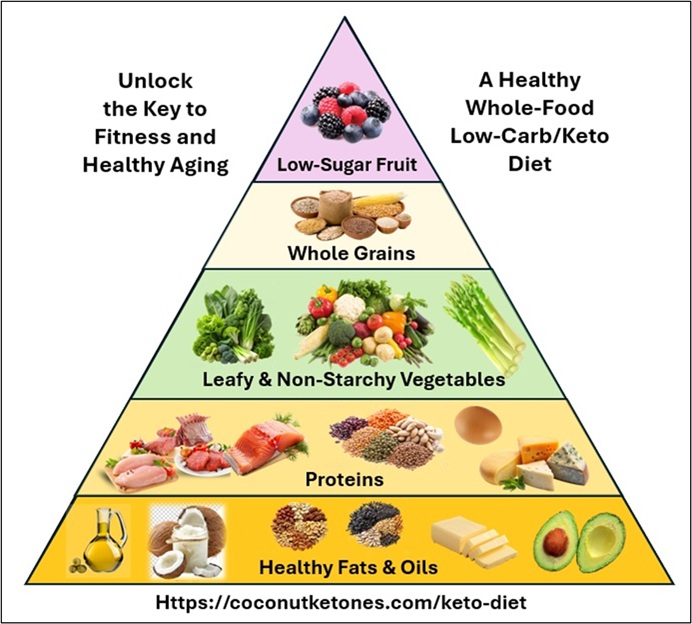 Research suggests that up to 40% of dementia cases may be preventable through healthy lifestyle choices. One of the most powerful factors we can control is our diet, which plays a key role in how well our brains age. Studies show that focusing on whole, unprocessed foods and limiting ultra-processed options can help keep blood glucose normal and significantly support long-term brain health. Incorporating more healthy fats into your meals by adopting a low-carb or ketogenic diet may offer even greater benefits, helping to fuel the brain with ketones and promote resilience over time.
The brain depends heavily on glucose for fuel. But in aging, insulin resistance, diabetes, and Alzheimer’s disease, the brain often cannot use glucose efficiently. This “energy gap” contributes to memory loss, cognitive slowing, and inflammation.
A ketogenic or low-carb diet reduces reliance on glucose while increasing the body’s ability to produce ketones, an alternative fuel that the brain can use even when glucose uptake is impaired. Ketones could support overall metabolic health as well as brain health — cognitive function, memory, focus — and help control inflammation.
If you’re new to keto or low-carb eating, this guide will walk you through what it is, why it works, and how to start safely.
Also see:
→ Coconut & MCT Oil
→ Ketone Esters
→ Ketone Salts
→ Alzheimer’s & Ketones Overview
Why Ketones Matter for Brain Health
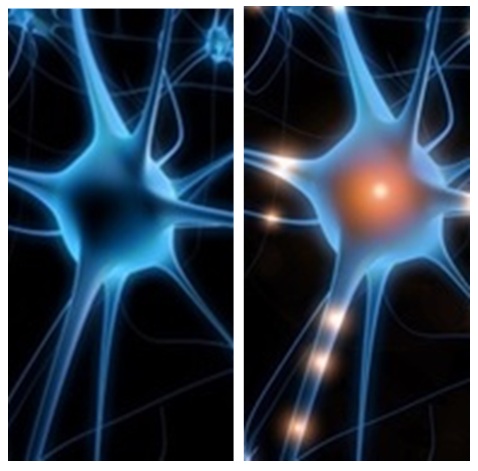 In Alzheimer’s and other neurological disorders, a change occurs:
1. Brain glucose uptake drops beginning one or two decades before symptoms appear
2. Ketone uptake remains normal, as shown in brain PET scans.
This means that ketones can fill in the brain’s “energy gap” in place of glucose. This energy gap is already present in people in their 70s whose memory test scores are normal (7-9%) but worsens in mild cognitive impairment (10% or more) and accelerates in Alzheimer’s disease (20-40% or more).
Evidence shows ketones:
- Improve cognitive performance
- Provide energy to malfunctioning neurons
- Reduce oxidative stress and inflammation
- Support mitochondrial function
- Help stabilize neuronal firing
The bottom line is that PET scan studies demonstrate that ketone uptake is preserved even in moderate Alzheimer’s — meaning ketones provide usable fuel when glucose can’t.
→Reference list for the evidence
 For more information
To learn more about diet and other lifestyle choices that could delay or prevent cognitive decline, read my book Clearly Keto for Healthy Brain Aging and Alzheimer’s Prevention. The book provides the evidence along with practical advice on how to adopt a healthy diet and lifestyle.
What Is a Ketogenic Diet?
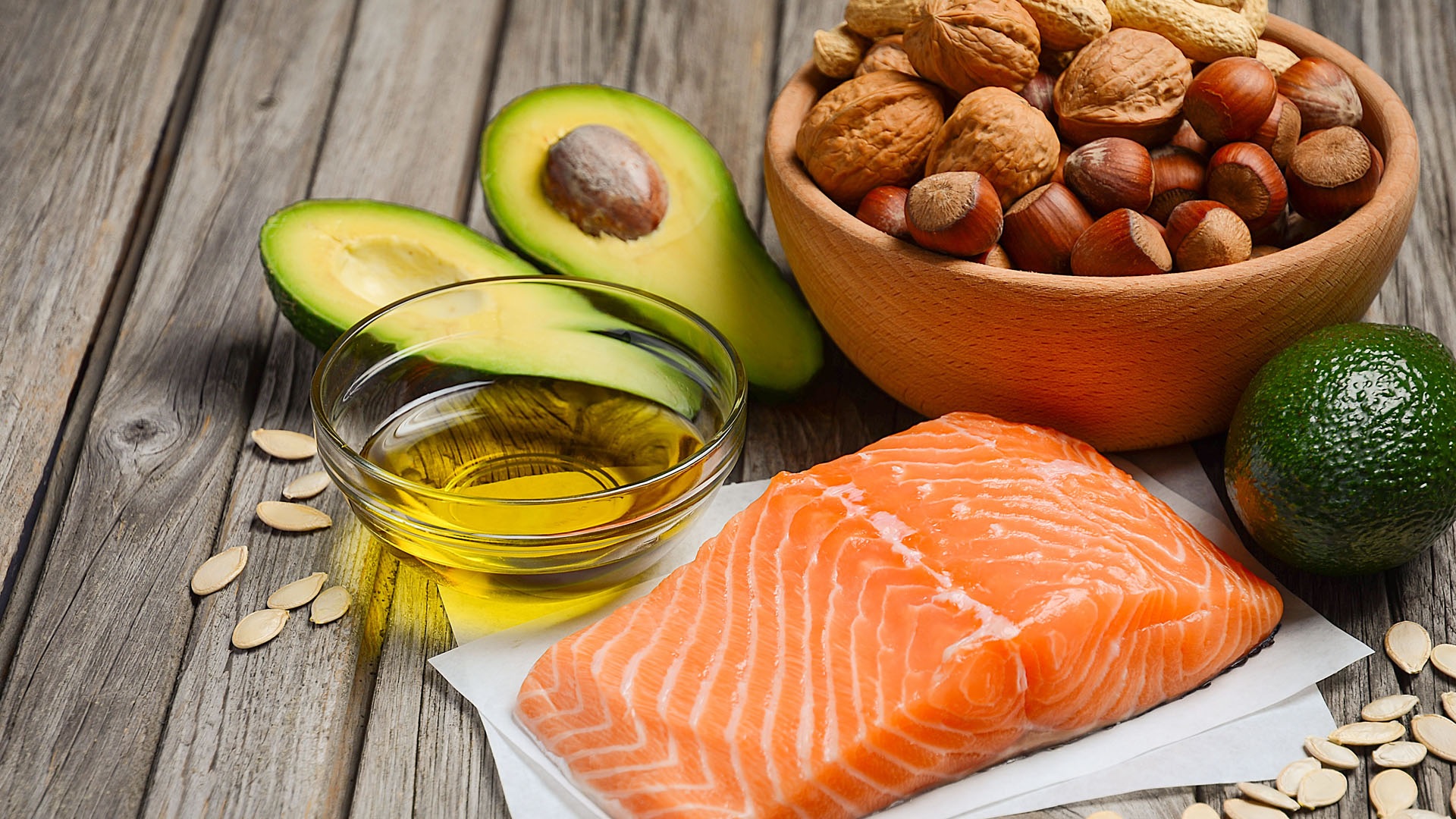
A ketogenic diet is a way of eating that shifts the body from burning glucose to burning fat, producing ketones — a natural, efficient fuel. This metabolic state is called ketosis. This type of diet is very low in carbohydrates (sugars and starchy foods), moderate in protein, and higher in healthy fats, such as olive oil, butter, the fats in nuts, seeds, avocados, and — yes — coconut oil. (See “Does coconut oil really increase cholesterol?”)
The brain and body adapt over several weeks to using fat and ketones for energy. Fatty acids from breaking down fat can fuel nearly every organ but are too large to cross into the brain. Some of the fatty acids are converted to ketones in the liver, which are much smaller and cross easily into the brain to energize brain cells. This process supports brain health but can also help control blood glucose.
Low-Carb vs. Ketogenic: What’s the Difference?
Basically, the less carbs and the more fat one eats, the more likely one will be in ketosis. Protein stays in the moderate range for both types of diets, about 0.4 to 1 gram of carbs daily for each pound of body weight (about 1-2 grams/kg). Excess protein can be converted to glucose which could interfere with ketosis.
Here is a table that shows the differences between low-carb and ketogenic diets:
| Feature | Low-Carb | Ketogenic/Very Low-Carb |
|---|---|---|
| Carbs per day | 50–130 g | Usually < 30–50 g |
| Ketones present? | Sometimes | Yes, consistently |
| Goal | Reduce glucose spikes | Enter nutritional ketosis |
| Best for | General health, weight control | Brain health, diabetes, cognitive issues |
The average person needs about 130 grams of glucose per day but the body has ways of making glucose without having to eat carbs — sugary and starchy foods. So, there is no minimum daily requirement for carbohydrates in the diet.
 The keto diet is actually a spectrum of diets
There is a common belief, even among physicians, that the “keto diet” is all about unlimited bacon and meat. Actually, nearly any type of diet can be adapted to a ketogenic diet, even a vegetarian or vegan diet, which has no bacon at all.
Whether a diet is ketogenic depends on how many grams of carbs versus fat are consumed. If the grams of fat are more than the combined grams of carbs and protein, the diet is likely ketogenic, meaning that fat becomes the main fuel and some of that fat is converted to ketones.
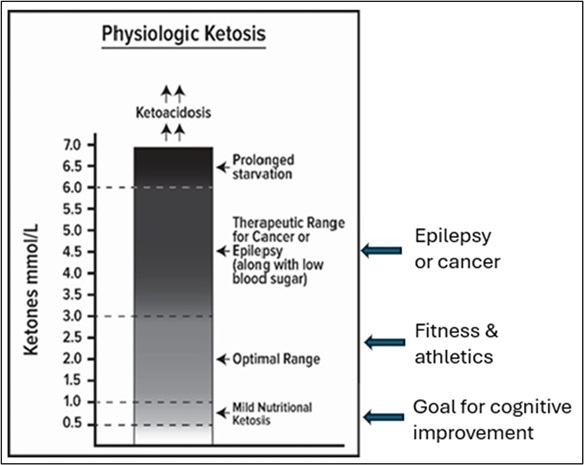
Mild nutritional ketosis
Many people benefit from a low-carb diet without needing full ketogenic levels. A low-carb diet can help control blood glucose for people with diabetes, prediabetes, or metabolic syndrome though starting with a keto diet could speed up the benefits.
People who have Alzheimer’s or mild cognitive impairment are more likely to adhere for the long haul to a low-carb diet with smaller portions of carbs than to a strict very high fat keto diet. With enough fat in the diet, eating 50 grams of carbs or less daily can result in mild ketosis.
Adding coconut oil and/or MCT oil, ketone esters, or ketone salts can boost ketone levels further into the mild to moderate range of nutritional ketosis.
Studies of ketogenic diets or MCT oil for Alzheimer’s disease, mild cognitive impairment, and Parkinson’s disease usually aim for mild nutritional ketosis (levels of 0.5 to 1 mM). More than 20 such studies along with case reports with average levels in the mild range reported cognitive improvement and other brain health benefits.
Who benefits most from high ketone levels?
Other people, especially those with epilepsy and certain cancers, benefit more from higher ketone levels. Strict meal planning and weighing of every morsel are often necessary to reach deep ketosis, which usually requires limiting carbs to <20 grams daily. Many types of cancer cells thrive on glucose but can’t use ketones as fuel. A very strict keto diet tends to keep blood glucose low, thereby starving the cancer cells. However, the brain and most other organs can use ketones as fuel to stay healthy.
People with diabetes, prediabetes, and metabolic syndrome can substantially reduce blood glucose levels, lose weight if desired, and eliminate or reduce diabetes medications with a low-carb or keto diet. Starting with < 20 grams daily of carbs can have dramatic results. And, after reaching the blood glucose and weight goals, adding carbs back gradually can help find the optimum amount of carbs to maintain those goals.
Also see:
→ Coconut & MCT Oil for Brain Health, Aging, and Alzheimer’s
→ Ketone Esters for Alzheimer’s and Brain Health
→ Ketone Salts for Brain Health and Fitness
→ Alzheimer’s & Ketones Overview
A Reasonable Whole-food Keto Diet Plan
The first step toward adopting a healthier diet is to clean it up by moving away from overly processed foods loaded with sugar and salt and eating whole foods. These are the types of foods that nourished our grandparents and everyone who preceded them.
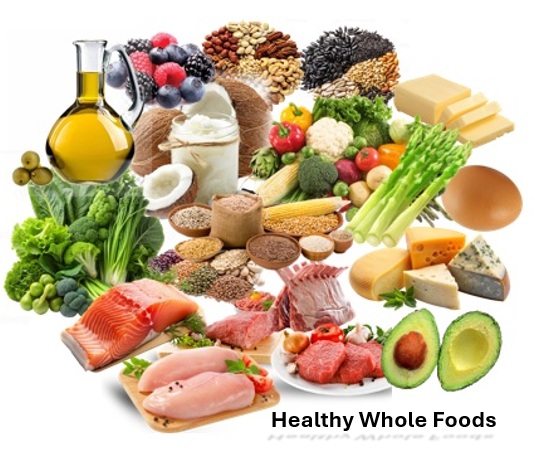 What are whole foods?
Whole foods are foods that are unprocessed or minimally processed — such as for cleaning and packaging — that contain natural forms of vitamins, minerals, and other micronutrients our tissues and cells need to function. The traditional diets of our parents and grandparents are good examples of whole food diets. And a classic example is the Mediterranean diet. Hundreds of studies of whole food diets have shown benefits for glucose control, heart health, and brain health, including slowing of cognitive decline. Whole food groups include:
- Meat, poultry, fish, seafood
- Eggs, dairy, and dairy products (cows and other animals)
- Vegetables, fruits, herbs, spices
- Nuts, seeds
- Legumes-peas, beans, lentils
- Whole grains – unrefined
- Fats rendered or pressed (without chemicals) from whole foods.
- Fermented foods
An Easy Keto Diet that Works
Dr. Eric Westman and his associate Jacqueline Eberstein, RN of Duke University have helped more than 4,000 patients control their blood sugar, reduce or eliminate medications, and lose fat through a low-carbohydrate dietary approach. The following dietary suggestions are based Westman’s diet plan and republished with his permission, along with modifications, as noted, by Dr. Mary Newport.
Before you get started:
1. It is always advisable to talk with your physician before making a significant change in your diet, especially if you have a medical condition.
2. This is a very-low-sugar diet, and your blood sugar level could drop very quickly. To avoid low blood sugar, monitor your blood sugar frequently and work with your doctor to make any changes in your medications.
3. If a more moderate keto diet is desired, or to ease more gradually into the diet to avoid “keto flu”, please look at the Special Carb List below.
 4. For stricter diets, consider keeping a food journal for best success and to track your carbs. The Complete Book of Food Counts by Corinne Netzer is a great reference for tracking carbs, protein, fat, fiber and calories.
An Easy Whole Food Low-Carb Keto Diet Plan
Eat as much as you wish of these foods:
Meat: veal, beef, lamb, pork, ham bacon, any game meat
Poultry: chicken, turkey, duck or any game bird
Seafood: any fish or shellfish, or plain canned fish or seafood in oil or water (not sugar cured)
Eggs: Eat whole eggs, not just the whites.
Limit these foods until you reach your goals – But eat vegetables every day!
- 2 cups per day leafy salad greens, spinach, kale, green onions, sprouts
- 1 cup of other vegetables that grow above the ground: asparagus, beet greens, bok choy, broccoli, Brussels sprouts, cabbage, cauliflower, celery, chard, Chinese cabbage, cucumber, eggplant, green beans, kale, leeks, mushrooms, peppers, spinach, string beans, squash, tomatoes, turnips, wax beans and zucchini
Eat limited amounts of fat and dairy products:
- Cream cheese, butter, oils, heavy cream, mayonnaise — limit to 4 to 6 tablespoons daily, if weight loss is a goal.
- Ideally, use organic, expeller or cold-pressed whenever available
- Including coconut and/or MCT oil could help sustain higher levels of ketones.
- Avocado, 1 small or 1/2 large, olives 5-10 daily.
- Limit hard cheese to 4 ounces per day, soft cheese (ricotta, cottage cheese) to 1 cup per day.
Maintenance:
Continue the diet until goals for weight loss and blood glucose control are achieved. After blood glucose is controlled or after 2 to 4 weeks if using the diet mainly for weight loss, add 1 daily carb serving from the list below each week for the next 2 to 3 weeks. Limit to 3 servings daily.
Special Carb List:
To ease into the diet, start with 2 or 3 servings of carbs daily and drop one serving per week. Try to eat these foods at meals where you have at least 2 tablespoons of oil/fat to stay in ketosis. If mild to moderate, rather than strict, ketogenic diet is desired, add one or two servings per day from the following list:
- 2 cups leafy green vegetables, or 1 cup of the “other vegetables” listed above
- ½ cup whole oats/porridge, whole grain rice or whole grain pasta
- 1 slice of whole grain bread, 1 cup whole fat milk
- ½ cup plain whole fat yogurt
- small handful (about 1 ounce) of nuts
- ½ cup strawberries or ¼ cup of other berries.
If your blood sugar begins to increase or you stop losing weight or gain weight, go back to amounts for the previous week and stay at that level. If blood sugar and weight are stable, you could consider this your maintenance lifestyle diet. (print the diet)
Helpful articles by Dr. Newport
Two Helpful Macronutrient Charts – to plan your keto day & meals.
Combining Ketone Salts with a Low-Carb Diet by Dr. Newport
Using Ketone Salts in the Elderly and People with Medical Conditions
More Ideas for Simple Keto Diet and a Few Recipes
Must you monitor your ketone levels?
Probably not, unless you have a medical condition that warrants high ketone levels. However, monitoring can provide positive reinforcement to ensure you are in ketosis with your diet or see how your exogenous ketone supplement affects your ketone level. Check blood ketones just before and 30 and 60 minutes after taking exogenous ketones to determine the peak level. Repeat at 2 to 4 hours after to see what happens over the next few hours.
Small commissions from Amazon and other products help support this website.
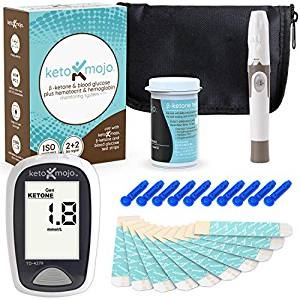
Keto Mojo Blood Ketone and Glucose Monitor
The least expensive ketone test strips. Can also measure glucose with a separate strip and track with a phone app.
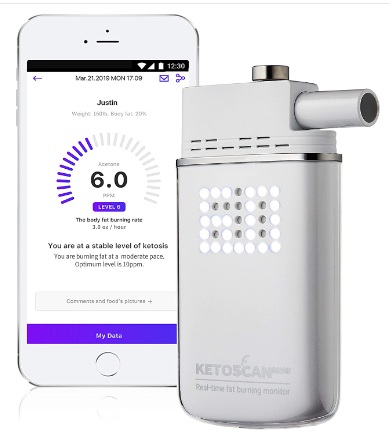
KetoScan Breath Analyzer
A ketone breath analyzer can help you follow trends in your ketone level without sticking your finger!
For more information or questions “Ketones08@gmail.com”
Ketogenic diet controls blood sugar and improves cognitive function in people with Alzheimer’s
Case Report #1 (2019): Diabetes, Memory, and Keto Diet
68-year-old active but morbidly obese man with type 2 diabetes and “brain fog” returned fasting blood sugar, HbA1C to normal levels, improved his memory score on the MoCA test from 23 (mild Alzheimer’s) to a normal score of 29 of 30, improved triglycerides and all cholesterol results and lost 15 pounds with 10-week ketogenic diet, exercise, and brain-training! The author shared with me that his average daily ketone level was 1.0 mmol/L considered to be in “mild nutritional ketosis” range!
Most people could achieve this by eating less than 50 grams of carbs per day and about 50% or more of daily calories as fat (6.5 tablespoons per day equivalent of fats and oils from meats, fish, dairy, eggs, and added oils on an 1800-calorie per day diet). Coconut and MCT oil as part of this fat can help achieve and sustain this level of ketosis. Clinical trials using ketogenic diet to treat and prevent Alzheimer’s are underway in several locations.
Case Report #2 (2019): Metabolic Syndrome, Mild Alzheimer’s, and Keto Diet
71-year-old female ApoE4 carrier with mild Alzheimer’s and metabolic syndrome with insulin resistance treated with a ten-week ketogenic diet and had remarkable improvement in fasting blood sugar, HbA1C, cholesterol and triglyceride profile, and her MoCA test for memory improved from 21 (mild Alzheimer’s) to nearly normal score of 28 of 30 points!
Also see:
→ Coconut & MCT Oil for Brain Health, Aging, and Alzheimer’s
→ Ketone Esters for Alzheimer’s and Brain Health
→ Ketone Salts for Brain Health and Fitness
→ Alzheimer’s & Ketones Overview
Recipes in Every Book by Mary T. Newport, MD
Dr. Mary Newport’s Books on Ketones, Alzheimer’s & Brain Health
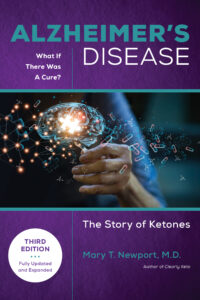
Steve’s improvement with ketones, the science, & what to do
Alzheimer’s Disease: What If There Was a Cure? The Story of Ketones (3rd Edition, 2023)
by Mary T. Newport, MD, Turner Publishing, 2023
This third edition shares the inspiring story of Steve Newport’s improvement with ketone therapies — coconut oil, MCT oil, and ketone ester — for early-onset Alzheimer’s. The book also discusses the latest research on how coconut oil, MCTs, and ketogenic strategies may support brain health and slow cognitive decline in Alzheimer’s, Parkinson’s, and other disorders. BUY NOW
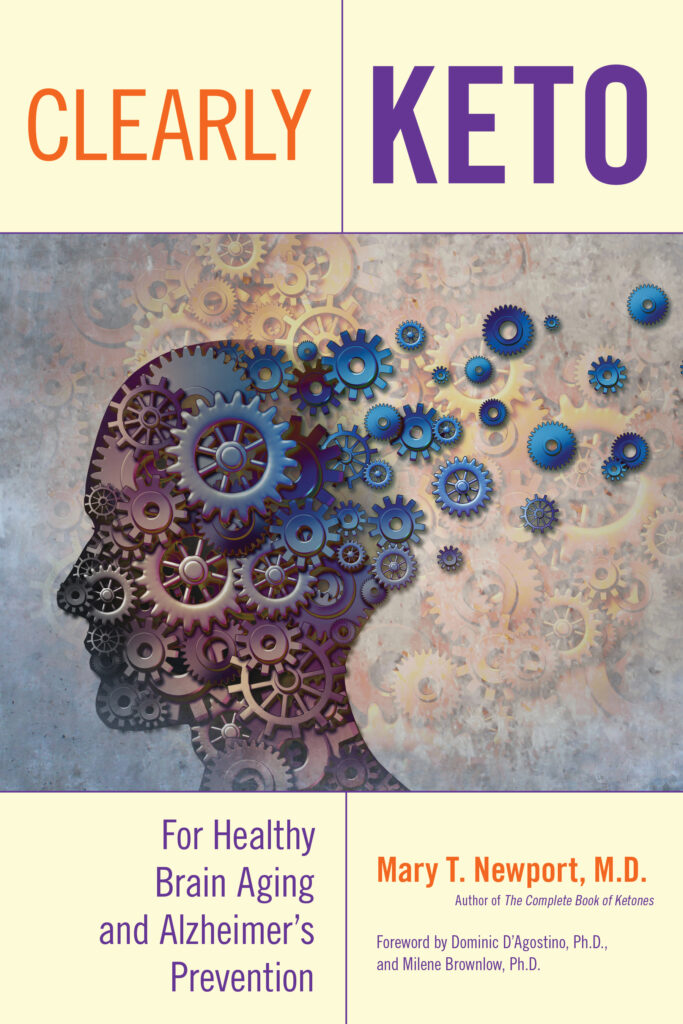
Healthy aging through low-carb diet, ketones, and other lifestyle changes
Clearly Keto for Healthy Brain Aging and Alzheimer’s Prevention
by Mary T Newport MD, Turner Publishing, 2022
Did you know that up to 40% of dementia cases may be preventable through healthier eating and lifestyle choices? Clearly Keto explores how a low-carb, whole-food Mediterranean-style ketogenic diet with coconut and MCT oils may help slow memory loss and Alzheimer’s symptoms. The book explains how ketone esters and salts can push ketone levels higher. With step-by-step guidance, it also covers blood sugar control, sleep, exercise, and other key strategies for healthy aging and Alzheimer’s prevention. Finally, the book explains what goes wrong in the aging brain and how ketones could make a difference. Video: Why I Wrote Clearly Keto BUY BOOK NOW
Ketone research & ketogenic therapy how-to’s for Alzheimer’s, cancer, epilepsy & other disorders
The Complete Book of Ketones: A Practical Guide to Ketogenic Diets and Ketone Supplements
by Mary T Newport, MD, Turner Publishing, 2019
Discover how ketones fuel the brain and may improve cognitive function. This book traces the history of the ketogenic diet and includes interviews and insights with leading researchers, clinicians, and dietitians. Meet individuals with Alzheimer’s and Parkinson’s who’ve seen lasting benefits. Learn practical strategies for using coconut oil, MCT oils, ketone esters, and low-carb diets. Includes step-by-step guidance for all ages, plus tips for monitoring ketones and avoiding common pitfalls. BUY NOW
Combine coconut and MCT oil with a reasonable low-carb diet
The Coconut Oil and Low Carb Solution for Alzheimer’s, Parkinson’s, and Other Diseases
by Mary T. Newport, M.D, Turner Publishing, 2015
Learn how a whole food diet with coconut oil and MCTs can boost ketone levels to fuel and protect the brain. This practical guide explains how diet impacts cognitive health, why sugar and diabetes raise dementia risk. Making simple changes — like reducing carbs and adding healthy fats — can support memory and aging. Includes easy recipes and real-life testimonials. BUY NOW
Keto Diet Support
The Charlie Foundation
Locate ketogenic diet centers and other resources for dietary support for epilepsy, cancer, autism, GLUT 1 deficiency and other metabolic disorders that could benefit from a ketogenic diet.
Ketodietcalculator.com
Developed by Charlie Foundation nutrition consultant Beth Zupec-Kania. Available through ketogenic-certified dieticians to calculate your keto ratios and plan meals.
Ketogenic Diet Resource
 Help with the ketogenic diet from Ellen Davis MS Applied Nutrition, author of Fight Cancer with a Ketogenic Diet.
Dietary Therapies LLC
 Founded by Miriam Kalamian, EdM, MS, CNS author of Keto for Cancer. Work with dietitians for help with nutritional strategies for cancer and metabolic health.
Cancer as a Metabolic Disease
 By Dr. Thomas Seyfried. Learn how a ketogenic diet could provide support for standard treatments for certain cancers.
